When it comes to field work, choosing the right rugged tablet is critical. Experts highlight the importance of durability, performance, and usability in such devices. Sarah Thompson, a renowned technology analyst, states, "A rugged tablet should withstand the harshest environments while delivering reliable performance."
Field workers face unique challenges. They need devices that can survive extreme temperatures, moisture, and drops. Understanding how to select a rugged tablet for field work involves knowing the specific needs of your environment. For instance, in construction sites, a tablet must endure dust and impact. In contrast, field scientists may prioritize battery life and GPS accuracy.
Identifying key features can be daunting. Choices vary widely, making the selection process complex. Considerations include display visibility under sunlight, robustness against spills, and compatibility with specialized applications. Every detail matters. Reflecting on user experiences can provide valuable insights for making informed decisions.
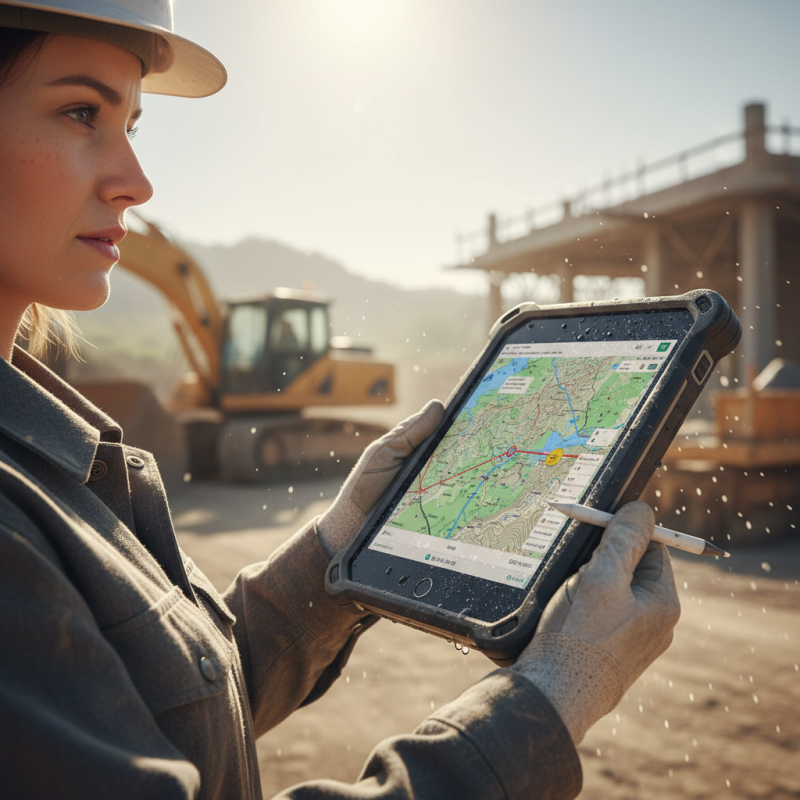
Overview of Rugged Tablets in the Market for Field Work
Rugged tablets have become essential tools for fieldwork across various industries. They are designed to withstand harsh conditions, ensuring reliable performance. Users often encounter dust, water, and extreme temperatures. A rugged tablet can survive these challenges, providing a robust solution for professionals.
When choosing a rugged tablet, consider its specifications. Look for features like high brightness screens for outdoor visibility. Battery life is crucial, as fieldwork often lacks adequate power sources. Additionally, check for certifications like IP ratings, indicating water and dust resistance. Remember, not all rugged tablets are created equal; some may not perform under specific conditions.
Tips: Assess the weight and size of the device. Heavier tablets can be cumbersome during long hours in the field. Think about the processing power you need. A faster processor enhances functionality but may drain battery life faster. Also, request user reviews and expert opinions to gauge reliability.
While rugged tablets are built tough, their limitations are important to acknowledge. Shock resistance can differ widely, affecting durability. Screens might crack if dropped from a height. Expect some trade-offs between features and cost. Always reflect on your actual needs to select the best fit.
Key Features to Consider When Selecting a Rugged Tablet
When selecting a rugged tablet for field work, several key features warrant careful consideration. Durability is at the forefront. According to industry reports, devices must comply with IP ratings. An IP68 rating indicates complete protection against dust and can withstand submersion in water. This level of resilience is crucial for construction sites or outdoor environments.
Battery life is another critical aspect. Field workers often need a device that lasts all day. Research shows that tablets should offer at least 8-12 hours of continuous use on a single charge to remain effective in the field. Additionally, weight matters. A device too heavy can be cumbersome for long hours of use. The ideal rugged tablet should balance robustness and portability.
Another important consideration is the operating system. While Windows may offer familiarity, Android or specialized systems can enhance usability in specific applications. Connectivity options, such as 4G LTE and Wi-Fi, provide flexibility, which is essential in remote locations. Many rugged tablets come equipped with additional functionalities like GPS, which can significantly aid navigation and data collection. As you evaluate these features, reflect on how they align with your specific fieldwork needs.
China Best Guide to Choosing Rugged Tablets for Field Work - Key Features to Consider When Selecting a Rugged Tablet
| Feature |
Description |
Importance Level |
| Durability |
Military-grade certification for shock and drop resistance. |
High |
| Water and Dust Resistance |
IP68 rating ensures protection against dust and water ingress. |
High |
| Battery Life |
Long-lasting battery to support extended fieldwork. |
Medium |
| Display Quality |
Sunlight-readable, high resolution for visibility outdoors. |
Medium |
| Connectivity Options |
Support for Wi-Fi, Bluetooth, GPS, and cellular networks. |
High |
| Operating System |
Choice of Android, Windows, or other OS for compatibility. |
Medium |
| Weight |
Lightweight for easy portability during fieldwork. |
Low |
| Expandability |
Options for additional storage and accessories. |
Low |
Top Rugged Tablet Brands and Their Unique Offerings
When selecting rugged tablets for field work, understanding the leading brands and their unique offerings is crucial. The rugged tablet market has seen significant growth, expected to reach $4.8 billion by 2026. This growth highlights the increasing need for durable and reliable devices in challenging environments.
Many rugged tablet brands focus on specific sectors. For instance, one brand excels in the construction industry, emphasizing robust build quality and water resistance. Another brand targets logistics, showcasing lightweight designs with superior battery life. Industry data shows that about 70% of field workers cite battery life as a critical factor in their device choice. This statistic underscores the importance of considering how long a tablet can last during demanding workdays.
However, not all rugged tablets offer the same level of durability. Some devices may look sturdy but fail under extreme conditions. Buyers should investigate certifications like IP ratings and MIL-STD durability tests. A clear gap exists between advertised performance and real-world testing. A survey of field professionals revealed that nearly 40% experienced device failures in the field. This insight serves as a reminder to balance marketing claims with actual reliability.
Comparison of Price Points for Rugged Tablets Suitable for Field Use
When selecting rugged tablets for field work, price is a key factor. The cost of these devices can vary widely. You may find models ranging from budget-friendly options to high-end solutions. Each price point often comes with different features, durability, and performance levels. Some tablets offer basic functionalities at lower prices, but they may lack essential ruggedness.
Mid-range rugged tablets tend to strike a balance. They usually provide decent durability without breaking the bank. These devices often have enhanced screens, better battery life, and improved processing power. However, they might not withstand the harshest conditions as well as premium models. It’s crucial to assess your specific needs to make an informed choice. Investing in a more expensive tablet could save money in the long run if it reduces repair costs.
While exploring your options, consider refurbished models as well. They can provide excellent value, with many still under warranty. However, be cautious about the reliability of these devices. You may encounter variations in quality and performance. Thorough research and user reviews are invaluable in this context. Ultimately, ensure the tablet aligns with your fieldwork requirements, balancing cost and features effectively.
Comparison of Rugged Tablets for Field Use
User Reviews and Real-World Performance of Rugged Tablets in the Field
When assessing rugged tablets for field work, user reviews offer invaluable insights. People often share experiences that highlight strengths and weaknesses. For example, some users report exceptional battery life, allowing them to work all day in remote areas without needing a charge. However, others point out how heavy some models can be, which can lead to fatigue during extended use.
In terms of real-world performance, durability is a key factor. Many users appreciate tablets that can withstand drops, exposure to dust, and extreme weather. Yet, some tablets may struggle with touchscreen sensitivity in the rain or cold conditions. Reviews indicate that a balanced design enhances usability, yet some rugged models can sacrifice screen clarity for toughness. A tablet that performs well in theory may not match users' expectations in practical applications.
Certain features, like high-resolution cameras and fast processing speeds, are frequently praised. Nonetheless, the actual implementation can vary. Some tablets excel in delivering quick responses, while others may lag under heavy use. This disparity leads to mixed feelings among users. It’s crucial to consider real-world scenarios rather than rely solely on specifications. User reviews remind us that even the most robust devices have limitations.
Conclusion
When considering how to select a rugged tablet for field work, it is essential to understand the various options available in the market tailored for demanding environments. Key features to prioritize include durability against physical damage, weather resistance, battery life, and performance specifications suitable for various applications. These factors directly impact the usability and efficiency of the tablet in challenging field conditions.
Moreover, examining user reviews and real-world performance can provide valuable insights into how different rugged tablets perform over time in practical scenarios. It is also beneficial to compare price points across various models to ensure that you find a device that meets both your functional needs and budget constraints. By combining these considerations, you can make an informed decision on the best rugged tablet to enhance productivity during field operations.

 Fray Tech