How to Choose Fanless Industrial Computers for Your Needs?

Time:2026-07-22 Author:Ethan
0%

Choosing the right industrial computer is crucial for optimized performance in demanding environments. Many businesses are turning to fanless models, and for good reasons. According to a report by ResearchAndMarkets, the global fanless industrial computer market is projected to grow at a CAGR of 10.5% from 2021 to 2026. This growth highlights a significant shift towards more reliable, dust-proof, and silent computing solutions.

"Why are industrial computers fanless?" Dr. David Chen, a leading expert in industrial computing, states, "Eliminating fans reduces dust intake and enhances durability in harsh conditions." This perspective is supported by findings that fanless systems are often more efficient and require less maintenance. In environments like factories or outdoor settings, dust accumulation can compromise hardware performance.

However, while fanless computers offer many advantages, they also require careful consideration. The thermal management of these devices can be challenging. Users need to assess their cooling requirements effectively. As the industry evolves, it’s clear that fanless industrial computers will play a critical role in shaping the future of reliable technology.
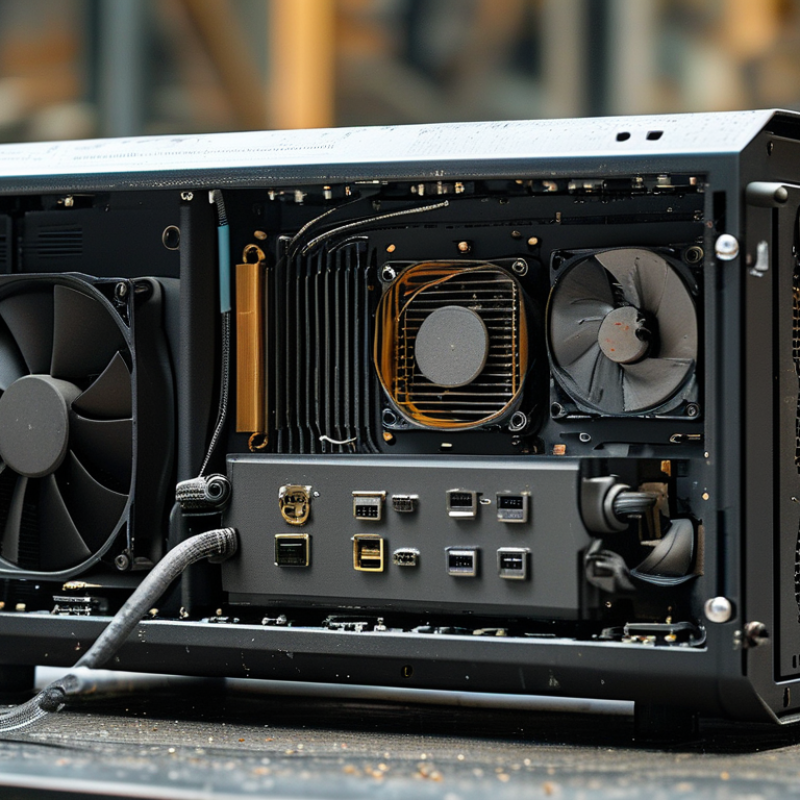
How to Choose Fanless Industrial Computers for Your Needs?

Understanding the Basics of Fanless Industrial Computers

Fanless industrial computers are gaining popularity for their reliability and efficiency. These devices operate without fans, reducing dust intake and lowering noise levels. This design enhances their longevity and performance in various environments, especially harsh conditions. When looking for a fanless solution, consider the specific needs of your workspace.

Understanding the core components is essential. Processor choices often dictate performance. Thermal management is crucial. It affects how well the device operates in extreme temperatures. The materials used in construction also matter. Some materials handle heat better than others. This is an aspect to reflect on when selecting a model.

Lastly, consider the applications of your industrial computer. Some users demand high processing power for complex tasks. Others may prioritize energy efficiency for long-term savings. It's important to assess these needs realistically. Every setup may require trade-offs between performance and cost.

How to Choose Fanless Industrial Computers for Your Needs?

Specification Description Use Case
Processor Intel i7 or ARM Cortex-A series for lower power Data processing and analytics in industrial automation
RAM 4GB to 32GB DDR4 Real-time data handling and multitasking
Storage SSD options from 128GB to 2TB Fast data access for applications requiring immediate read/write
Connectivity Gigabit Ethernet, Wi-Fi, and Bluetooth Remote monitoring and cloud integration
Operating Temperature -20°C to 70°C or more Use in extreme conditions and environments
Form Factor Compact and rugged design Space-constrained installations and durability needs

Identifying Your Specific Requirements and Use Cases

Choosing the right fanless industrial computer begins with understanding your specific requirements. Consider the environment where the computer will be used. Will it be in a dusty factory or a moist laboratory? Dust and moisture can affect electronic components. A fanless design is beneficial in such settings, as it minimizes the risk of contaminants entering the system.

Next, examine the applications you plan to run. Different tasks demand varying levels of computing power. For data processing or heavy analytics, opt for a unit with a robust CPU. However, for simpler applications like monitoring, a less powerful machine might suffice. Evaluate the software you'll use and match it with the hardware specifications. Ensure compatibility for optimal performance.

Lastly, consider your budget and lifecycle costs. Fanless systems can be more expensive upfront, but they may offer savings in maintenance and energy consumption. Reflect on how long you plan to use the computer. A higher initial investment might pay off in durability and reliability over time. It's crucial to weigh these factors carefully, as overlooking even a minor detail can lead to greater costs later on.

Evaluating Performance Specifications and Hardware Components

When selecting fanless industrial computers, performance specifications and hardware components are crucial. Start by evaluating the processor. A robust CPU ensures smooth operations, especially in demanding environments. Look for multi-core options to handle simultaneous tasks efficiently. RAM is equally important; adequate memory prevents bottlenecks when running applications.

Next, consider the storage type. Solid State Drives (SSDs) offer faster data access speeds than traditional Hard Disk Drives (HDDs). If your applications require quick retrieval and processing of large files, this can be a game-changer. Don’t overlook the importance of the motherboard. It should support necessary peripherals and additional expansion capabilities, allowing for future upgrades.

Heat management and durability are also key factors. While fanless designs are quieter, they rely heavily on heat dissipation through case materials. Ensure the chosen computer is built from high-quality materials. Reflect on your environment: will it face dust, moisture, or extreme temperatures? Without a meticulous assessment, unexpected breakdowns may occur, leading to costly downtimes. Balancing performance specifications with reliability can be tricky but is essential for long-term success.

Assessing Thermal Management and Reliability Features

When selecting fanless industrial computers, thermal management is crucial. These devices operate in challenging environments. Without fans, they rely on passive cooling. This means the design must effectively dissipate heat. Look for materials like aluminum that enhance heat transfer. Poor thermal management can lead to system failures. It may result in unexpected downtime and costly repairs.

Reliability features should also be prioritized. Fanless systems need robust components. Consider solid-state drives over traditional hard drives for better durability. Watch for wide operating temperature ranges to ensure consistent performance. Environmental factors can impact electronic devices significantly. This vulnerability can create challenges in certain applications. Regularly assessing these features is essential for long-term success.

Assess the design specifications closely. Not every fanless computer will meet your needs. Ignoring details like maximum load capacity can lead to performance issues. Reflect on past experiences too. What went wrong previously? Learning from failures can guide better decisions. Aim for systems that combine thermal efficiency and reliability for optimal operation.

Thermal Management Effectiveness of Fanless Industrial Computers

Considering Budget Constraints and Cost-Effectiveness

When selecting fanless industrial computers, budget constraints often lead the conversation. Cost-effectiveness must be a priority. Begin by evaluating your needs. Understand the applications you intend to run. Are they resource-heavy or light? This helps you allocate funds wisely.

While aiming for a budget-friendly solution, quality should not take a back seat. Cheaper options may lack essential features or durability. Look for reliable vendors who offer good warranties and support. Remember, the right computer will ultimately save you money by minimizing downtime and maintenance costs.

Exploring used or refurbished models can also be prudent. These options can provide significant savings. However, ensure they have been tested for reliability. Keep in mind, you might not get the latest specs, but it could meet your needs. Reflect on these choices carefully. Balancing cost and performance is crucial to making a sound investment.

FAQS

: What should I consider when evaluating processors for fanless industrial computers?

: Look for multi-core options to handle multiple tasks. A robust CPU ensures smooth operations in demanding environments.

Why is RAM important in fanless industrial computers?

Adequate memory prevents bottlenecks when running applications. It keeps performance consistent during heavy usage.

What storage types should I choose for better performance?

Solid State Drives (SSDs) offer faster data access speeds compared to Hard Disk Drives (HDDs). They are ideal for large files.

How can I assess heat management in these computers?

Ensure the device is made from materials like aluminum. Good heat dissipation avoids system failures and downtime.

What reliability features should I prioritize in fanless systems?

Look for solid-state drives and wide operating temperature ranges. These factors enhance durability and consistent performance.

How can budget constraints impact my selection of fanless computers?

Cost-effectiveness is key. Understand your needs to allocate funds wisely while maintaining quality and durability.

Are used models a viable option for fanless industrial computers?

Yes, they can provide savings. Just ensure they’ve been tested for reliability and still meet your performance needs.

What is crucial for ensuring long-term success with fanless systems?

Regularly assess thermal management and reliability features. Learning from past experiences can inform better decisions.

Conclusion

Fanless industrial computers are designed to operate without cooling fans, which helps to enhance their durability and reduce the risk of mechanical failure. When considering why are industrial computers fanless, it’s essential to recognize their benefits in environments where dust and contaminants can compromise performance. Understanding the basics of these systems involves assessing their specific use cases, such as manufacturing, automation, and data acquisition, to ensure they meet operational demands.

To select the right fanless industrial computer, one must evaluate performance specifications, including processing power and memory, alongside the hardware components that will facilitate the required tasks. Thermal management and reliability features also play a crucial role, particularly in maintaining performance under extreme conditions. Finally, consideration of budget constraints will help in finding a solution that balances cost-effectiveness with the necessary capabilities for your unique requirements.

Ethan

Ethan

Ethan is a seasoned marketing professional with a deep expertise in our company's innovative product line. With a passion for sharing knowledge and insights, he takes the lead in regularly updating our corporate blog, where he explores industry trends, product features, and effective marketing......