In the era of Industry 4.0, deploying industrial computers in smart factories has become essential. According to a report by McKinsey, smart factories can increase productivity by up to 30% and reduce operational costs by 20%. Industrial computers serve as the backbone of automation and data analytics, enabling real-time decision-making and enhancing production efficiency.
Understanding how to deploy industrial computers in smart factories is crucial for organizations aiming for digital transformation. A recent survey by Deloitte indicates that 79% of manufacturers recognize the importance of integrating advanced technologies. This dependency on robust computing systems raises questions about infrastructure and cybersecurity risks. Companies often face challenges in scaling their IT environments while ensuring system integrity and performance.
Integrating these systems is not without its complexities. Technical expertise, training, and strategic planning are vital. The lack of standardized protocols can make deployment inconsistent. As we explore the benefits of industrial computers, we must also address potential pitfalls. Balancing innovation with reliable operational practices is key to achieving sustainable growth in today’s competitive landscape.
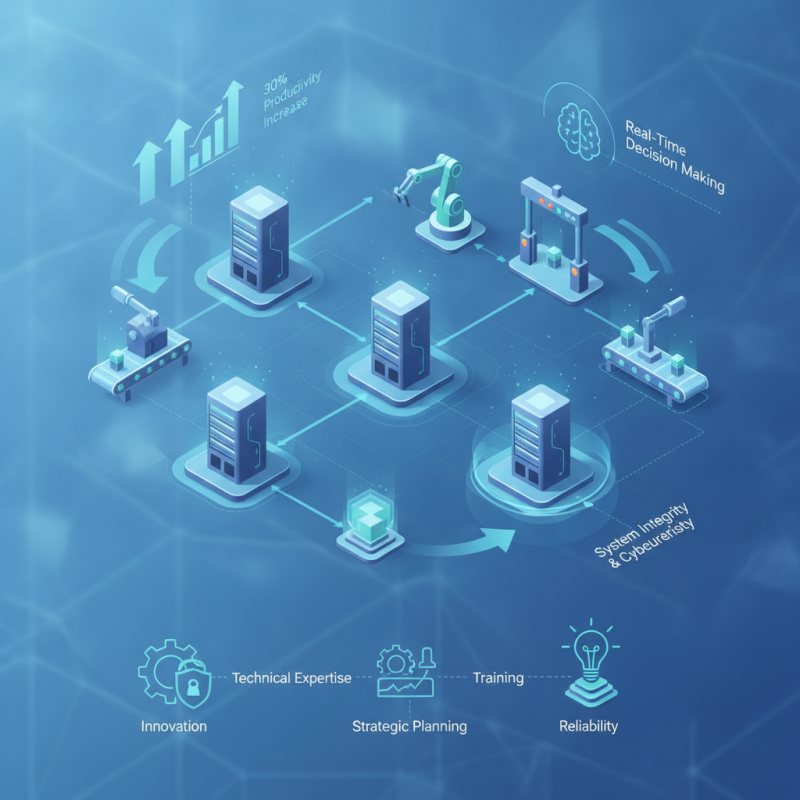
In smart factories, industrial computers play a crucial role. These systems must handle various tasks in challenging environments. Their durability is essential. They endure vibrations, temperature fluctuations, and dust. This resilience ensures continuous operations without unexpected failures.
The key features of industrial computers include real-time processing and connectivity. They facilitate instant data analysis, which enhances decision-making. With the Industrial Internet of Things (IIoT), these computers connect seamlessly to other devices.
This connectivity allows for streamlined workflows and improved operational efficiency.
Power consumption is another important aspect. Efficient energy usage helps factories reduce operating costs. However, it’s essential to balance performance and energy efficiency. Not all solutions fit all environments. Each factory has unique requirements. A one-size-fits-all approach may lead to oversight, hindering full potential. Recognizing these nuances is vital for optimal implementation.
In the evolution of smart factories, industrial computers play a vital role. These systems provide enhanced reliability and performance compared to traditional setups. According to a report by MarketsandMarkets, the industrial computer market is expected to reach $5.9 billion by 2025, indicating a strong demand for these robust devices.
Industrial computers are built for challenging environments. They often feature superior thermal management and resistance to dust and vibrations. This durability allows factories to operate efficiently in harsh conditions. In fact, a study by VDC Research highlights that industrial computers have a mean time between failures (MTBF) three times higher than commercial models.
Data security is another critical advantage. Industrial computers often come with advanced cybersecurity features. They help protect sensitive manufacturing data against increasingly sophisticated threats. A cybersecurity report by PwC states that 84% of manufacturers anticipate cyberattacks will increase in the next five years. Utilizing industrial computers mitigates these risks, ensuring smoother operations and peace of mind for factory owners.
Integrating industrial computers with IoT technologies is crucial for smart factories. These computers serve as the backbone of modern manufacturing. They collect and analyze data in real-time, enhancing decision-making processes. With this integration, factories become more agile and responsive to changes. They can quickly adapt production schedules based on up-to-the-minute data.
However, implementation is not without challenges. The complexity of IoT systems can overwhelm some operators. Data security remains a pressing concern. Factories must ensure robust measures to protect sensitive information. Not all industrial computers are equipped to handle advanced IoT applications, which can lead to compatibility issues.
Incorporating IoT technologies can lead to increased productivity and efficiency. Predictive maintenance becomes possible, reducing downtime. Yet, relying too much on automation might reduce skilled labor opportunities. It is vital for factories to find a balance between technology utilization and human skills. Adapting to this new landscape requires ongoing training and learning.
The integration of industrial computers in smart factories significantly enhances efficiency. However, security is a major concern that cannot be overlooked. As more devices connect to the Internet of Things (IoT), vulnerabilities emerge. Cyberattacks can disrupt operations and lead to substantial financial losses.
Investing in robust cybersecurity measures is essential. Regularly updating software can protect against known vulnerabilities. Implementing strong password policies and multi-factor authentication adds layers of security. Also, consider isolating networks to limit exposure to outside threats.
Tips: Educate your employees about security risks. A knowledgeable workforce can act as the first line of defense. Conduct regular security audits to identify potential weaknesses. Staying proactive is crucial in today's digital landscape. Security should not be an afterthought but a fundamental aspect of operational strategy.
The future of industrial computers in smart manufacturing is vibrant and complex. Trends suggest a significant shift toward edge computing. A recent report estimates that edge computing could reduce latency by up to 80% in production environments. This increase in efficiency allows for real-time data processing, enhancing decision-making capabilities on the factory floor. However, with greater data reliance, the need for robust security measures is paramount. Vulnerabilities in edge devices can pose significant risks, and manufacturers must address these potential threats.
IoT integration is also a crucial trend. As factories adopt smart devices, the number of connected devices will reach an estimated 75 billion by 2025. This interconnected environment fosters data sharing and operational transparency, yet it raises concerns about data overload. Companies need to be wary of how much information to collect and analyze. Finding the right balance between data volume and actionable insights is essential to avoid inefficiencies.
Moreover, AI and machine learning are playing an increasingly vital role. They allow predictive maintenance, which can reduce downtime by 30%. Yet, companies often struggle with the complexities of implementing these technologies. Training staff and aligning systems can be challenging. It's clear that while the potential is vast, organizations must prepare for the hurdles ahead as they navigate this evolving landscape.
: They manage various tasks in challenging environments, ensuring continuous operations without unexpected failures.
Durability allows them to endure vibrations, temperature changes, and dust, which ensures effective functionality.
They connect seamlessly to devices via the Industrial Internet of Things, enhancing workflows and operational efficiency.
They enable efficient energy usage, which reduces operating costs but need balancing with performance.
They provide better reliability, performance, and are built for harsh environments, leading to efficient operations.
They often have advanced cybersecurity features, protecting sensitive data from increasing threats.
MTBF stands for mean time between failures. Industrial computers have three times higher MTBF than commercial models.
No, each factory has unique requirements. A tailored approach is essential for optimal implementation.
Misunderstanding unique needs might hinder their potential and lead to inefficient operations.
Most manufacturers anticipate increased cyberattacks, highlighting the importance of robust security measures in their systems.
Deploying industrial computers in smart factories is essential for enhancing operational efficiency and enabling advanced manufacturing processes. Key features of these computers include robust design, real-time processing capabilities, and compatibility with IoT technologies. Their advantages over traditional systems lie in better performance, scalability, and the ability to integrate seamlessly with various industrial applications, which fosters data-driven decision-making.
When considering how to deploy industrial computers in smart factories, it's important to address security challenges, as these systems are often connected to wider networks. Ensuring data protection and establishing secure communication protocols are crucial. Additionally, the future trends for industrial computers indicate a shift towards greater automation and AI integration, positioning them as vital components in the evolution of smart manufacturing.

Fray Tech