In recent years, interactive displays have transformed classrooms across the globe. Educators are now exploring how to use interactive displays in education to enhance student engagement. These technologies can provide immersive learning experiences, allowing students to participate actively in lessons.
However, the effectiveness of interactive displays is not guaranteed. Teachers face challenges in integrating these tools into their teaching methods. For instance, simply replacing traditional boards with screens does not automatically improve learning outcomes. It requires thoughtful planning and adaptation to make the most of these displays.
Moreover, training is essential. Educators must feel confident in utilizing interactive features. Without proper knowledge, these tools can become underutilized, leaving potential untapped. As we delve into effective strategies for using interactive displays, we must also reflect on these challenges. Balancing technology and pedagogy is crucial for achieving meaningful learning experiences.
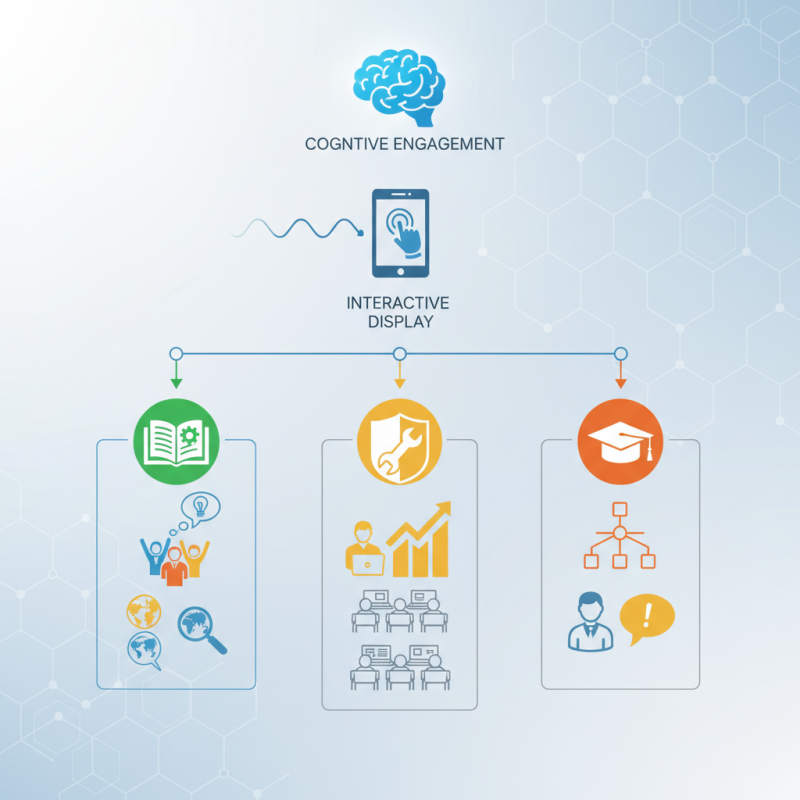
Interactive displays are transforming modern education, bringing a dynamic approach to learning. They engage students in ways traditional methods often cannot. Visual aids and multimedia tools draw in attention. Students become participants rather than passive observers. This shift encourages discussion and collaboration among peers.
Integrating interactive displays requires thoughtful planning. Teachers must consider how to effectively use these tools. It’s essential to align content with learning objectives. Some educators may struggle with this transition. Not every lesson lends itself to interactivity. Finding the right balance can be challenging.
Despite potential obstacles, the benefits are clear. Students often retain information better when involved. Interactive displays facilitate real-time feedback, enhancing the learning experience. However, schools must provide adequate training for teachers. Embracing new technology is a journey, not a destination. It requires ongoing reflection and adaptation to be truly effective.
Selecting the right interactive display for classroom needs requires careful consideration. Research shows that 73% of teachers believe interactive displays enhance student engagement. However, choosing the wrong type can hinder learning.
When evaluating displays, consider screen size and resolution. A study revealed that 66% of students struggle to see content that is too small. A display with a resolution of at least 1080p can significantly improve visibility, encouraging student interaction. Additionally, assess compatibility with existing technological tools. If the display does not integrate seamlessly with classroom devices, tech issues will arise, leading to frustration.
Think about durability and ease of use. A report found that 40% of teachers abandon technology due to difficulty in use. Investing in user-friendly displays can minimize disruptions. Regular training sessions can also empower teachers to utilize these tools effectively. Poorly integrated tools can waste valuable teaching time, reminding us that even good technology needs proper implementation.
| Feature | Importance in Education | Recommended Size | Price Range |
|---|---|---|---|
| Touch Sensitivity | Facilitates interactive learning and engagement. | 65-75 inches | $1,500 - $3,000 |
| Connectivity Options | Allows integration with various devices and multimedia. | 55-70 inches | $1,000 - $2,500 |
| Resolution | High resolution ensures clear visuals for learning materials. | 4K recommended for larger classrooms | $2,000 - $4,500 |
| Software Compatibility | Seamless integration with educational software and apps. | 60-80 inches | $1,500 - $3,500 |
| Portability | Easier to move between classrooms or settings. | Sizes vary; choose based on classroom layout | $800 - $2,000 |
Interactive displays are transforming the educational landscape. They engage students in dynamic ways. According to a report by the Center for Interactive Learning and Collaboration, schools using interactive displays saw a 30% increase in student engagement. Such tools facilitate active participation. Students can reflect, discuss, and collaborate more freely.
Effective usage is crucial. Teachers should design activities that encourage interaction. For example, integrating group projects allows students to use displays together. This builds teamwork skills and fosters deeper understanding. However, not all implementations succeed. Some teachers struggle with technology integration. Ongoing training is essential for maximizing effectiveness.
Feedback is vital. Educators must evaluate how displays impact learning outcomes. A study from the International Society for Technology in Education found that only 60% of teachers feel confident using interactive displays. Regular assessment leads to improvements. Open discussions about challenges can guide future use. Adapting approaches based on student needs makes a substantial difference.
Integrating interactive displays into the curriculum requires thoughtful planning. Teachers should focus on how these tools align with learning objectives. For instance, a science lesson can use simulations displayed on screens to illustrate complex processes. This approach makes abstract concepts more tangible for students. Visual aids can enhance understanding, but they must be relevant.
Active participation is crucial. Encourage students to interact with the displays. They might collaborate on problem-solving exercises or engage in discussions driven by what they see. Teachers can pose questions that prompt critical thinking. However, over-reliance on technology can lead to disengagement. Regularly assess if interactive displays are fulfilling their purpose.
Content should be varied to meet diverse learning styles. Consider the use of multimedia, including videos and infographics. It's essential to evaluate how each display complements traditional teaching methods. Some students may need more structure, while others flourish in a more open-ended environment. Reflecting on these dynamics can lead to more effective integration of interactive displays in education.
The impact of interactive displays on student learning outcomes is an area of great interest. Research indicates that 70% of educators believe these tools enhance engagement. In classrooms, the use of interactive displays can increase participation levels significantly. A study found that students working with interactive screens scored 30% higher on assessments compared to traditional methods. This suggests that interactive displays can foster a more dynamic learning environment.
For effective implementation, consider these tips: Establish clear objectives for using interactive displays. Define what success looks like for your students. Regularly gather feedback from them about the tools. Additionally, incorporate varied materials to maintain interest and engagement. Balancing technology with traditional methods is crucial for effective learning.
Teachers may face challenges with these tools. One common issue is not all students responding positively to interactive displays. Sometimes, technological glitches can disrupt lessons. Schools must ensure training programs for educators are robust and ongoing. Over-reliance on technology can also hinder students' critical thinking skills. Reflecting on these aspects will aid in creating a more effective educational experience.
: Focus on screen size and resolution first. A display with at least 1080p resolution is essential.
Engaging content significantly boosts interaction. Displays can facilitate discussion and collaboration among students.
A display must work well with existing classroom tools. Poor integration causes tech issues that disrupt learning.
Regular training is essential. Continued education helps teachers feel more confident in using the technology.
Some teachers find tech difficult to use, which can hinder classroom dynamics. Open discussions help address these challenges.
It can waste valuable teaching time and lead to frustration. Good technology must be implemented correctly for effectiveness.
The article "How to Use Interactive Displays in Education Effectively" explores the transformative role of interactive displays in modern classrooms. It highlights the importance of selecting the right type of display to meet specific educational needs, ensuring that these tools enhance rather than hinder the learning experience. Best practices for engaging students are discussed, emphasizing active participation and collaboration through interactive content.
Furthermore, the article addresses how to integrate interactive displays seamlessly with existing curricula and teaching methods, allowing educators to harness their full potential. Finally, it underscores the significance of measuring the impact of interactive displays on student learning outcomes, providing insights on how to use interactive displays in education to foster improved engagement and academic performance.

Fray Tech