Rugged devices are engineered to withstand challenging environments. They are crucial for industries like construction, military, and field research. But what is a rugged device used for in harsh environments? These devices are designed to operate under extreme conditions. They resist dust, water, and physical impacts.
Using rugged devices is essential for professionals who work in demanding settings. It's not just about durability; it's about reliability. Many users encounter difficulties when handling these devices. Batteries can drain quickly, and software may not perform well under pressure. Knowing how to use these tools effectively can enhance performance.
The following tips will help maximize the potential of rugged devices. From understanding their specifications to knowing their limits, every detail matters. Mistakes in usage can lead to failures in critical situations. By focusing on these essential aspects, users can ensure that their rugged devices serve them well in harsh environments.
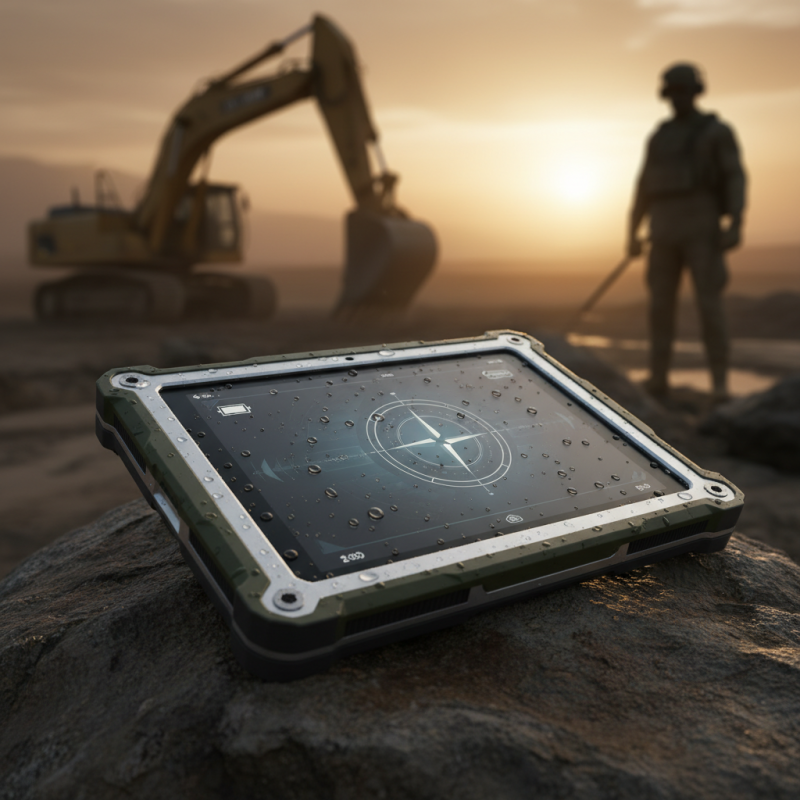
Understanding Rugged Devices: Definition and Key Features
Rugged devices are specially designed for extreme environments. They withstand harsh conditions like extreme temperatures, moisture, dust, and shocks. The Global Rugged Devices Market is expected to grow at a CAGR of 5.9% between 2021 and 2026, showcasing their rising importance across various industries.
Key features of rugged devices include certifications such as IP67 or MIL-STD-810G. These certifications indicate resistance to water, dust, and drops. For instance, an IP67 rating ensures a device can be submerged in water for up to 30 minutes. In a study conducted by VDC Research, 60% of workers reported increased productivity when using rugged devices in the field. This productivity stems from their reliability in challenging conditions.
Despite their advantages, rugged devices are not without flaws. They can be bulkier and heavier than traditional devices. This can be a drawback in some scenarios where portability is crucial. Additionally, the cost of rugged devices is often higher due to specialized materials and features. Organizations must weigh these factors against the potential for uninterrupted operations and reduced downtime in the field.
The Importance of IP Ratings: Ensuring Water and Dust Resistance
When choosing rugged devices for harsh environments, IP ratings are crucial. These ratings indicate the level of protection against dust and water ingress. A device with an IP67 rating, for example, can withstand immersion in water for up to 30 minutes. This level of protection is essential in settings like construction sites or outdoor explorations.
Understanding IP ratings can prevent costly mistakes. Many users overlook the importance of these ratings. A device without adequate protection may fail in a wet or dusty situation. Imagine the frustration of a device malfunctioning during a crucial operation. Testing the limits of a device can lead to disappointment.
While rugged devices are built for tough conditions, they aren't invincible. Users sometimes assume that high IP ratings guarantee total protection. However, regular maintenance is still necessary. Over time, seals can wear down, compromising their effectiveness. Ensuring that devices remain functional requires diligence and occasional reassessments of their condition.
Choosing the Right Rugged Device for Specific Environmental Conditions
Choosing the right rugged device is crucial for specific environmental conditions. Look for features like shock resistance, waterproofing, and temperature tolerance. Not all rugged devices are equal. Some thrive in extreme cold, while others excel in high heat or humid conditions.
Consider the material used in the device's construction. Devices made from polycarbonate or aluminum may offer better durability. However, they can also be heavier. Weight can affect usability during long workdays. Battery life is another key factor. Long-lasting batteries are essential in remote settings where charging options are limited.
Testing rugged devices before deployment can reveal how they perform in real-world scenarios. Check usability features like screen sensitivity with gloves. You might find that certain applications work poorly in harsh settings. A device may look rugged but can fail under pressure. Reflecting on past experiences with different environments can guide your choice. Always ask, "Does this device fit my needs?"
Maintaining Rugged Devices: Cleaning and Storage Best Practices
Rugged devices are built to withstand tough conditions. However, they still require proper care to function effectively. Cleaning is essential, especially after exposure to dirt, dust, or moisture. Use a soft, damp cloth to wipe them down. Avoid harsh chemicals that can damage the surface. Regularly inspect seals and connectors for any signs of wear or dirt buildup. It’s important to address these issues early to maintain device integrity.
Storage is equally crucial for rugged devices. When not in use, keep them in a cool, dry place. Avoid direct sunlight or extreme temperatures. These elements can degrade battery life and overall performance. For long-term storage, consider removing the battery. This helps prevent leaks and corrosion. Ensure the device is clean before storage. An overlooked dirt spot can lead to problems later on.
Reflecting on the maintenance process reveals gaps in knowledge. Many users underestimate the impact of simple practices like regular cleaning. It’s easy to forget these tasks in busy environments. Yet, consistent attention can extend the life of these durable tools. Empowering users with best practices leads to better outcomes in maintaining rugged devices.
Essential Tips for Maintaining Rugged Devices in Harsh Environments
Real-World Performance: Case Studies and Industry Statistics on Rugged Devices
Rugged devices are essential in harsh environments,
where standard equipment falls short. A survey from VDC Research indicates that over
60% of organizations in rugged sectors report
device failures due to environmental challenges. The performance of these devices directly impacts
productivity. Industries like construction and manufacturing rely heavily on technology that
endures dust, moisture, and extreme temperatures.
To ensure reliable operation, consider these tips.
Maintain a clean workspace to minimize dirt exposure.
Regularly inspect devices for wear and tear, as small issues can escalate. Additionally, choose
accessories that enhance protection, like screen covers or protective cases.
These small investments can prevent significant downtime.
Furthermore, case studies reveal that rugged devices can reduce operational costs by
up to 30%. For instance, a logistics company saw
improved efficiency after adopting rugged tablets in its fleet. However, these devices are not infallible.
Over-reliance on technology, without proper training,
can lead to mishaps. Always weigh the pros and cons of rugged technology in your specific environment
to achieve the best outcomes.
FAQS
: Rugged devices are designed to withstand extreme environments and harsh conditions.
Look for IP67 or MIL-STD-810G certifications for water, dust, and drop resistance.
An IP67 rating allows a device to be submerged in water for up to 30 minutes.
Yes, 60% of users reported increased productivity when using rugged devices in challenging situations.
Rugged devices can be bulkier and more expensive than traditional devices.
Seals can wear down over time, requiring maintenance to ensure ongoing protection.
Clean with a soft, damp cloth and avoid harsh chemicals to maintain the surface.
Store them in a cool, dry place away from direct sunlight and extreme temperatures.
Users often overlook the importance of IP ratings and regular maintenance.
Regular cleaning and inspections can significantly extend the lifespan of rugged devices.
Conclusion
Rugged devices are specialized equipment designed to withstand extreme conditions, making them essential in various harsh environments. Understanding what a rugged device is used for in harsh environments involves recognizing its key features, such as enhanced durability, shock resistance, and superior waterproof and dustproof ratings based on IP standards. These devices are vital for industries like construction, military, and field services, where regular consumer technology would fail.
Choosing the right rugged device involves assessing the specific environmental conditions it will face, whether extreme temperatures, moisture, or physical impacts. Proper maintenance, including cleaning and storage best practices, extends the life and performance of these devices. Real-world performance metrics, highlighted through case studies and industry statistics, further reinforce the reliability and effectiveness of rugged devices in demanding scenarios, showcasing their crucial role in ensuring operational efficiency and safety.

 Fray Tech