When considering outdoor display systems, buyers often ask, "What features matter in outdoor display systems?" According to industry expert Dr. Jane Thompson, "Durability and visibility are key to making a solid investment in outdoor displays."
Outdoor display systems face unique challenges. They must withstand varying weather conditions and maintain visibility in bright sunlight. Factors such as brightness, resolution, and weather resistance are essential. For instance, a high-brightness display ensures that content remains clear, even in direct sunlight. This requirement means investing in a system that utilizes quality materials.
Moreover, buyers should also reflect on energy efficiency. While initial costs can be higher for energy-efficient systems, long-term savings in power consumption can be significant. Yet, not all features may meet individual needs. Some buyers could prioritize versatile installations or ease of maintenance over sheer size. Ultimately, evaluating which factors are critical helps guide purchasing decisions effectively.
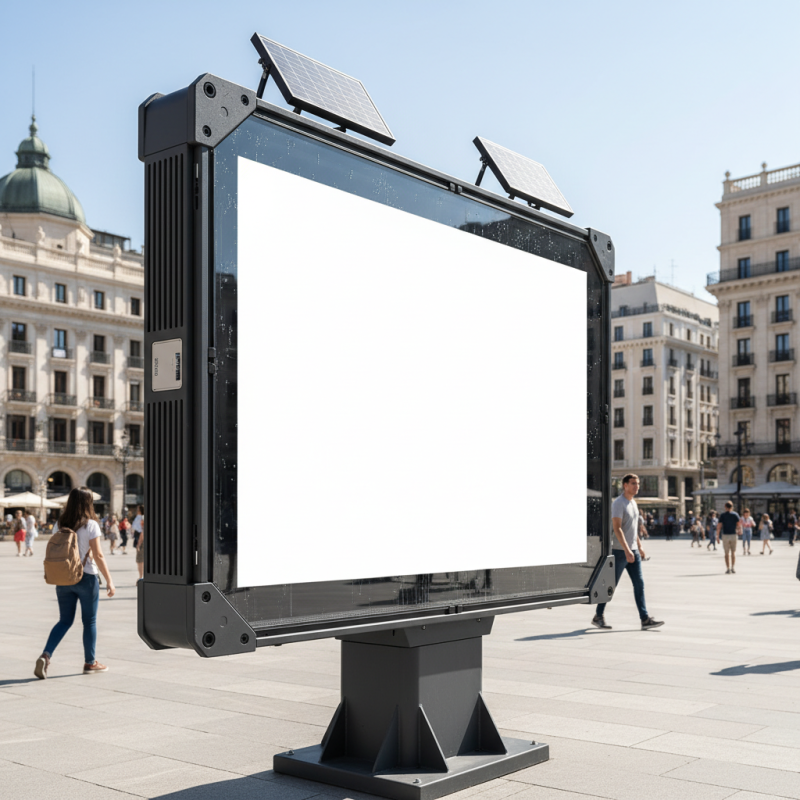
When selecting outdoor display systems, several key factors come into play. First, durability is critical. These systems face harsh weather conditions. Rain, wind, and sunlight can degrade quality quickly. Buyers need displays that withstand these elements without compromising performance.
Another important factor is visibility. Displays must be bright and clear, even in direct sunlight. High brightness levels ensure readability from a distance. Additionally, resolution matters for detailed visuals. Poor resolution can lead to viewer frustration and decreased engagement.
Connectivity options should also be considered. Many outdoor displays require versatile inputs for content management. Wireless connectivity is increasingly essential. It allows for easier updates. However, reliability in connectivity remains a concern for many users. They often worry about interruptions affecting performance. Balancing these factors can lead to better investment decisions.
When considering outdoor display technologies, several factors come into play. LED screens are highly popular for their brightness and clarity. They perform well even under direct sunlight. However, their initial cost can be high. While they last longer than other options, maintenance can still become an issue over time.
LCD displays are another viable choice. They are known for producing vibrant colors and sharp images. Yet, they struggle in bright environments. Unlike LED screens, which can be viewed from various angles, LCD screens may require specific viewing positions. This limitation can affect their overall effectiveness in outdoor settings.
Digital signage offers versatility. It allows content updates in real-time. However, this technology can be subject to weather conditions. Rain or extreme temperatures could impact performance. Buyers must consider their environment carefully. Understanding these key features helps ensure that investments in outdoor display systems are both effective and reliable.
In outdoor display systems, brightness and visibility are crucial factors. A study by the Digital Signage Federation indicates that effective visibility in bright sunlight is typically achieved with a minimum brightness of 2,500 nits. However, many systems fall short, resulting in poor user engagement. Installing displays with high brightness levels ensures information remains visible and impactful, regardless of environmental conditions.
When evaluating outdoor displays, consider the angle of the sun. Displays facing direct sunlight should use anti-glare technology to enhance visibility. Research shows that displays with polarized screens can reduce reflections by up to 70%, significantly improving clarity.
Tip: Check the display’s IP rating to ensure it withstands harsh weather. Systems with a higher IP rating offer better durability against dust and moisture, prolonging lifespan.
Another factor to consider is the location and viewing distance. Outdoor displays may require higher resolution for larger audiences. A 10mm pixel pitch is often recommended for daytime display, as it provides the required detail for viewers at a distance. This clarity directly influences attention and retention rates.
Tip: Choose displays that support automatic brightness adjustment based on ambient light. This feature enhances visibility while conserving energy during low-light conditions.
When selecting outdoor display systems, durability and weather resistance are paramount. Displays face various environmental challenges.
Rain, snow, and extreme heat can quickly degrade low-quality systems. Buyers must prioritize materials that withstand these conditions.
For instance, aluminum housings often resist corrosion. Additionally, tempered glass can prevent damage from heavy impacts.
UV exposure is another factor often overlooked. Outdoor displays need proper shielding. Extended sun exposure can fade colors and reduce clarity. Buyers should look for screens with anti-reflective coatings.
Such features help maintain visibility without sacrificing image quality.
It's important to consider local weather patterns. Displays in coastal areas require better saltwater resistance.
Similarly, systems in snowy regions need enhancements for snow and ice buildup. Sometimes, the best options may come at a higher cost, but they offer longevity.
Reflecting on these aspects can lead to wiser purchasing decisions. Balancing budget with performance ensures a reliable outdoor display investment.
When considering outdoor display systems, buyers must evaluate cost and potential return on investment (ROI) carefully. According to industry reports, up to 70% of buyers focus on upfront costs, but this can lead to missed opportunities. High-quality systems may have higher initial prices but tend to offer better longevity and lower maintenance costs. For example, outdoor displays with LED technology can last over 100,000 hours, significantly reducing replacement costs over time.
However, assessing ROI goes beyond simple calculations. A study found that effective outdoor advertising can increase sales by up to 15%. This impact can justify higher expenditures on display systems. Additionally, the right installation can enhance brand visibility, leading to a greater market presence. Buyers may occasionally overlook the importance of this visibility when making cost-driven decisions. Thus, engaging a knowledgeable consultant could provide deeper insights into potential long-term benefits, even if initial costs appear steep.
Investing in superior outdoor displays isn't merely about spending more upfront. It's also about understanding the full value they bring over time. Careful consideration of features such as brightness, durability, and content management can yield significant returns. Buyers often find themselves needing to evaluate their choices rigorously to avoid being drawn in by lower-quality alternatives that offer immediate savings but disappointing results in the long run.
| Feature | Importance Rating (1-5) | Average Cost ($) | Expected ROI (%) |
|---|---|---|---|
| Brightness | 5 | 4,000 | 25 |
| Weather Resistance | 4 | 3,500 | 20 |
| Energy Efficiency | 4 | 2,000 | 30 |
| Ease of Installation | 3 | 1,500 | 15 |
| Screen Size and Resolution | 5 | 5,500 | 35 |
: Buyers should consider brightness, durability, and maintenance needs. High-quality options often cost more upfront.
LED screens are bright and clear, even in direct sunlight. However, they can have high initial costs.
LCD displays produce vibrant colors but struggle in bright light. They may require specific viewing angles for effectiveness.
Digital signage allows real-time content updates. However, weather can impact its performance and reliability.
Evaluating ROI is crucial. Effective advertising can boost sales, justifying higher expenditures on quality systems.
Engaging knowledgeable consultants can reveal long-term benefits. This helps avoid common pitfalls in cost-focused decisions.
Yes, cheaper displays may offer immediate savings but can lead to higher maintenance costs over time.
High-quality displays, like LED, can last over 100,000 hours. This significantly reduces replacement costs.
Effective displays enhance brand visibility. Buyers sometimes overlook this when focusing solely on upfront costs.
Buyers must assess features like brightness and content management. These aspects can lead to significant returns.
When considering what features matter in outdoor display systems, buyers should focus on several key factors that influence their selection. Understanding the different types of outdoor display technologies available is essential, as each type offers unique benefits suited to various applications. Evaluating brightness and visibility under diverse environmental conditions is crucial, ensuring that displays remain effective in direct sunlight or low-light situations.
Additionally, assessing the durability and weather resistance of outdoor displays is critical to ensure longevity and reliability, particularly in harsh conditions. Cost considerations and potential return on investment also play a significant role in the decision-making process, as buyers must balance quality with budget constraints. By carefully weighing these aspects, buyers can make informed choices that align with their specific needs and objectives.

Fray Tech