Difference Between HMI and SCADA Systems Explained?

Time:2026-06-24 Author:Charlotte
0%

In the world of industrial automation, understanding "what is the difference between HMI and SCADA systems" is crucial for efficiency. Human-Machine Interfaces (HMI) and Supervisory Control and Data Acquisition (SCADA) systems serve distinct roles. According to a report by MarketsandMarkets, the global SCADA market is projected to reach $30.87 billion by 2026, emphasizing the growing reliance on these technologies.

HMIs act as the user interface, visualizing data for operators in real-time. They translate complex data into user-friendly formats. On the other hand, SCADA systems control entire processes, enabling monitoring and control over large industrial environments. They gather data and send commands, creating a networked system.

Despite their differences, confusion often arises. Many users struggle to grasp how these systems integrate. Some believe that HMI functions are embedded within SCADA, which isn’t always accurate. Further research and practical experience can shed light on these distinctions. Industry professionals must navigate these complexities to optimize productivity and enhance operational safety.
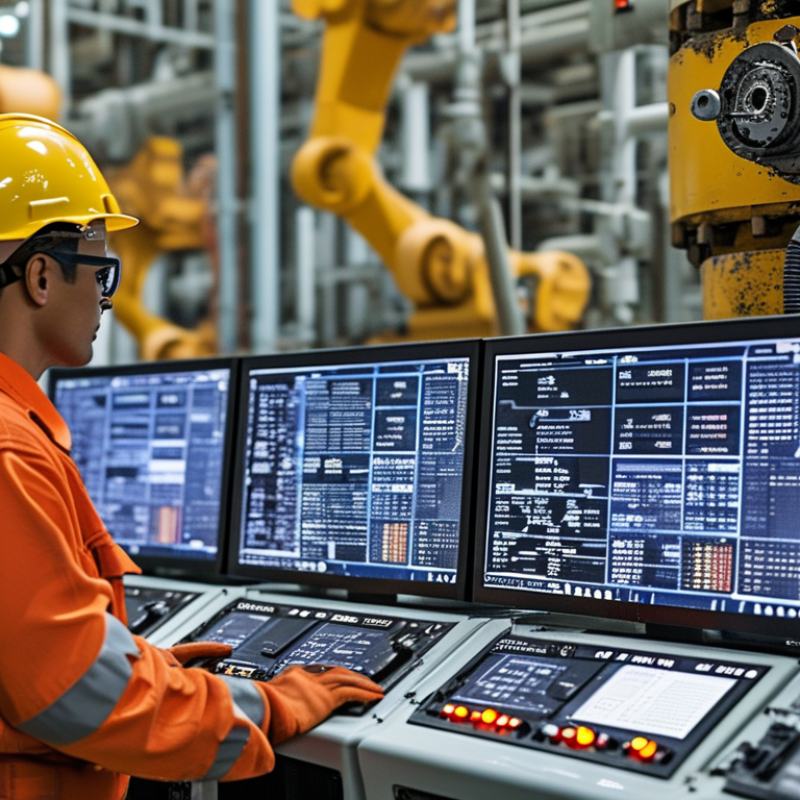
Difference Between HMI and SCADA Systems Explained?

What is HMI and Its Functionality in Industrial Automation?

Human-Machine Interface (HMI) plays a crucial role in industrial automation. It connects operators with machines, providing a visual interface to monitor and control processes. Through screens, buttons, and indicators, users can interact with complex systems effortlessly. This interaction is pivotal in enhancing operational efficiency and safety.

HMI systems translate data from machinery into readable formats. Operators can view real-time status updates, alarms, and performance metrics on their screens. This visibility helps in quick decision-making. However, designing an intuitive HMI is challenging. Poor layout choices may confuse operators. Users might overlook critical alerts or important functions. Continuous feedback from operators is essential. Regular assessments can reveal design flaws and usability issues.

Many industries implement HMI solutions to improve productivity. However, reliance on technology can lead to complacency. Operators must remain vigilant, even with advanced interfaces. Training is essential to ensure effective use of HMI. Limited understanding can cause misinterpretation of data and operational mishaps. Thus, while HMI significantly enhances industrial processes, it requires careful consideration and ongoing improvements.

Understanding SCADA Systems and Their Role in Process Management

SCADA (Supervisory Control and Data Acquisition) systems play a critical role in process management within various industries, including manufacturing, energy, and water treatment. These systems gather real-time data from sensors and devices, enabling operators to monitor and control processes efficiently. According to a report by MarketsandMarkets, the SCADA market is projected to reach $29.5 billion by 2026, reflecting its growing importance in industrial automation.

SCADA systems enhance visibility and decision-making. They provide operators with real-time insights into operational performance. For example, in the oil and gas sector, SCADA systems can monitor pipeline conditions, detect leaks, and improve safety protocols. A study by Research and Markets found that 80% of organizations using SCADA systems reported improved efficiency in their operations. However, SCADA systems are not without challenges. Cybersecurity risks and the potential for system failures necessitate regular updates and robust training for personnel.

As industries embrace digital transformation, the role of SCADA in process management will only grow. However, companies must remain vigilant and address the risks associated with these systems. Investing in training and cybersecurity measures is essential for maintaining system integrity and ensuring reliable operations. Balancing efficiency with security remains a critical focus for organizations utilizing SCADA technology.

Key Differences Between HMI and SCADA Systems

HMI (Human-Machine Interface) and SCADA (Supervisory Control and Data Acquisition) are crucial systems in industrial automation. While both work together, they have distinct roles. HMI provides a user interface for operators, allowing them to monitor and control local processes. It displays real-time data visually, making information interaction simple and intuitive.

On the other hand, SCADA systems manage a broader scope. With data collection from various sources, SCADA enables centralized control over large-scale operations. According to a recent industry report, the global SCADA market was valued at approximately $15.72 billion in 2022 and is expected to grow at a CAGR of 6.3% through 2030. This growth reflects the increasing demand for remote monitoring capabilities.

One key difference is the scale of operation. HMI is often localized, tied to specific machines. SCADA integrates multiple HMIs, managing extensive networks of devices across various facilities. This integration can sometimes lead to complexities, such as data overload or insufficient real-time response. Understanding these nuances is vital for effective implementation in any automation strategy.

Difference Between HMI and SCADA Systems Explained

Dimension HMI (Human-Machine Interface) SCADA (Supervisory Control and Data Acquisition)
Purpose Interface for operators to interact with machines Monitor and control large-scale processes
Functionality Displays data and provides control Data collection, storage, and analysis
User Interaction Direct interaction by operators Indirect interaction primarily through settings and alerts
Data Handling Real-time data display Data logging and historical data analysis
System Complexity Less complex, focused on single machines More complex, integrates multiple subsystems
Examples of Use Control panels in factories Water treatment facilities, power plants

Interconnectivity: How HMI and SCADA Work Together

HMI (Human-Machine Interface) and SCADA (Supervisory Control and Data Acquisition) systems are essential in industrial automation. They often work together to enhance operational efficiency. HMI provides a user-friendly interface for operators. It translates complex data into manageable visual formats. This tool allows real-time monitoring and easy control of processes.

SCADA complements HMI by overseeing entire systems. It gathers data from multiple sources. This system analyzes trends and provides insights. Together, they create a cohesive flow of information. Operators need both tools for effective management. However, their reliance on technology can lead to overconfidence. Human oversight is still crucial in critical situations.

Interconnectivity between HMI and SCADA facilitates real-time decision-making. For example, if a sensor detects an anomaly, the SCADA system alerts the operator via the HMI. This rapid response can prevent costly downtimes. However, network security must not be overlooked. Vulnerabilities can expose essential data. Reflecting on this, continuous evaluation of system effectiveness is vital for improvements.

Common Applications of HMI and SCADA in Industry

HMI (Human-Machine Interface) and SCADA (Supervisory Control and Data Acquisition) systems play vital roles in industrial applications. They enhance operational efficiencies and facilitate real-time monitoring. In manufacturing plants, HMI systems enable operators to interact seamlessly with machinery. They visualize data through easily understandable graphics. This interaction is crucial for adjusting operational parameters promptly.

SCADA systems, on the other hand, manage extensive networks across various locations. They gather data from sensors and devices, making information accessible to operators. A significant application of SCADA is in water supply systems. It monitors pressure levels, flow rates, and reservoir levels. This ensures water quality and availability for communities.

Both systems face challenges. Users may struggle to interpret complex data presented by HMI. Meanwhile, SCADA systems can become overwhelmed with vast amounts of information. Regular training and updates are necessary to mitigate these issues. As industries evolve, the effectiveness of these systems relies on continuous improvement and adaptation to new technologies.

FAQS

: What is the main function of HMI in industrial automation?

: HMI connects operators with machines, providing a visual interface for monitoring and controlling processes.

How do HMI systems improve decision-making?

They translate machinery data into readable formats, offering real-time status updates and performance metrics.

What challenges come with designing HMI systems?

Poor layout choices can confuse operators and lead to missed alerts or functions.

Why is training important for HMI usage?

Limited understanding may cause users to misinterpret data, resulting in operational mistakes.

What role does SCADA play in process management?

SCADA collects real-time data from sensors, allowing efficient monitoring and control across various industries.

What are the cybersecurity risks associated with SCADA systems?

System failures and cyber threats necessitate regular updates and robust personnel training.

How do HMI and SCADA differ in their functions?

HMI provides a localized user interface, while SCADA offers centralized control over larger operations.

What should companies focus on when using SCADA technology?

Balancing efficiency with security is critical for maintaining reliable operations.

How do operators benefit from using SCADA in industrial settings?

Operators gain real-time insights, enhancing visibility into performance and improving safety protocols.

What is a potential downside of relying on HMI and SCADA systems?

Over-reliance on technology can lead to operator complacency, reducing vigilance.

Conclusion

The article titled "Difference Between HMI and SCADA Systems Explained" provides a detailed exploration of the roles and functionalities of HMI (Human-Machine Interface) and SCADA (Supervisory Control and Data Acquisition) systems in industrial automation. It begins by clarifying what HMI is and its critical functions in interfacing operators with machines, facilitating real-time data visualization and control. The article then delves into SCADA systems, explaining their importance in monitoring and managing industrial processes from a centralized location.

A significant focus of the discussion is on the key differences between HMI and SCADA systems, addressing what is the difference between HMI and SCADA systems. While HMI serves as the interface for operators to interact with machines, SCADA systems are designed for overseeing and controlling entire processes across multiple locations. Moreover, the article highlights how these two systems interconnect and complement each other, as well as their common applications across various industries, providing a comprehensive understanding of their unique yet collaborative roles in industrial settings.

Charlotte

Charlotte

Charlotte is a seasoned marketing professional with a deep understanding of the company's portfolio and a passion for elevating its presence in the market. With a keen eye for detail and a commitment to excellence, she ensures that our professional blog is regularly updated with insightful articles......