Why Are Industrial Computers More Expensive Than Consumer PCs?

Time:2026-05-28 Author:Aria
0%

Industrial computers serve specialized applications. These machines are built to withstand harsh conditions. They often operate in extreme temperatures, humidity, and dust. This durability brings increased costs.

When discussing "why are industrial computers more expensive than consumer PCs," we find key differences. Industrial computers use robust materials and components. They undergo strict quality assurance tests. This ensures reliability in critical environments.

Additionally, the purpose of these systems influences their pricing. Consumer PCs focus on general use. In contrast, industrial computers cater to specific applications. This tailored approach adds to production costs. Even though consumer PCs are widely available, the specialized nature of industrial computers justifies their higher price. Ultimately, it’s about value and the needs of the industry.
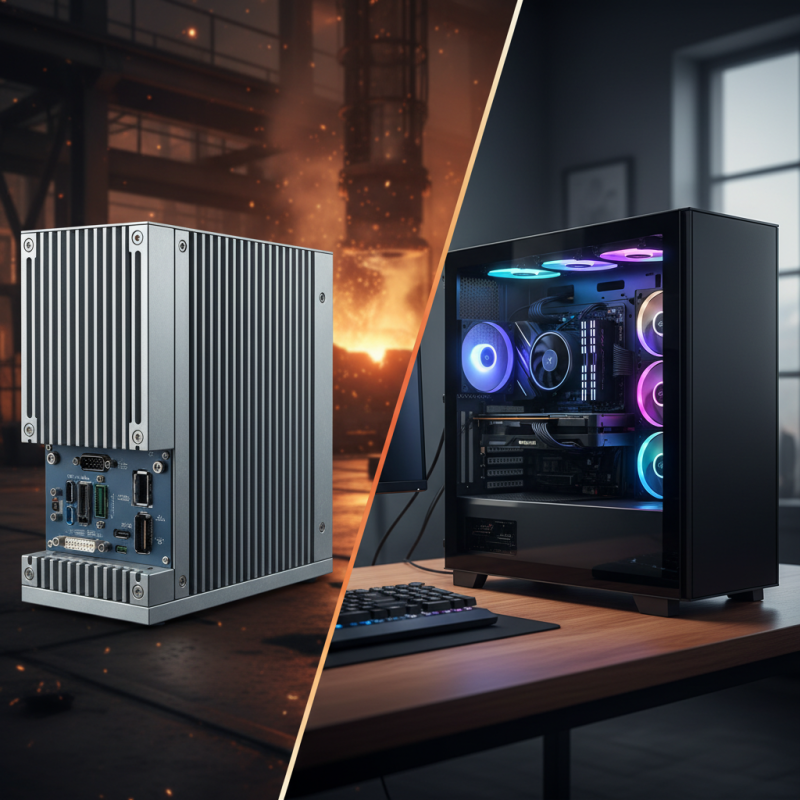
Why Are Industrial Computers More Expensive Than Consumer PCs?

Understanding Industrial Computers and Consumer PCs

Industrial computers and consumer PCs serve different purposes, which explains their price differences. Industrial computers are designed for durability and longevity. They endure harsh environments, fluctuating temperatures, and physical shocks. These factors necessitate robust materials and engineering, raising production costs.

Consumer PCs, on the other hand, focus on performance and aesthetics. They are built for everyday tasks, gaming, and multimedia consumption. While they are versatile, they lack the rugged features found in industrial models. This distinction explains why industrial solutions command higher prices.

**Tip:** When choosing between an industrial computer and a consumer PC, consider the operating environment. If the device faces extreme conditions, an industrial PC is a wise investment.

Many might argue that the price of industrial computers is too high. However, one must think about their lifespan. A durable industrial computer may last longer than several consumer models combined. This long-term perspective can justify the initial cost.

**Tip:** Always evaluate total cost of ownership. Sometimes spending more upfront can save money in maintenance and replacements over time.

In essence, these two types of computers cater to different audiences. Each has its unique strengths and weaknesses. Understanding these can help make a more informed decision.

Comparison of Industrial Computers and Consumer PCs - Price vs. Features

Key Differences in Design and Durability Standards

Industrial computers and consumer PCs serve different purposes. Industrial computers face extreme environments. They endure dust, vibrations, and high temperatures. In comparison, consumer PCs are designed for stable settings, like homes and offices. This fundamental difference explains their price variance.

Durability standards significantly impact the cost of industrial computers. They undergo rigorous testing. These tests ensure they operate reliably under harsh conditions. The materials used in their construction are often more robust. For example, enclosures resist impact and prevent dust ingress. The additional engineering leads to higher production costs.

Moreover, industrial computers often feature extended lifecycles. Manufacturers provide support and spare parts for many years. This contrasts with consumer PCs, which may become obsolete quickly. Such long-term support justifies the higher expense. Some may question whether the price is warranted. Yet, for critical applications, reliability is non-negotiable.

Cost Factors: Materials, Components, and Manufacturing

Industrial computers often carry a higher price tag than consumer PCs due to several critical cost factors. Materials used in industrial systems must meet stringent standards. This ensures durability and reliability in harsh environments. For instance, a report from the International Electrotechnical Commission highlights that industrial-grade components can cost up to 40% more than consumer alternatives. This is largely due to their enhanced resistance to extreme temperatures, humidity, and vibrations.

Components in industrial computers are also specialized. These machines typically require high-performance processors, advanced cooling systems, and extensive I/O ports. Research from MarketsandMarkets indicates that the demand for bespoke hardware in industrial environments is expected to grow by 7.5% annually through 2026. Furthermore, manufacturing costs are elevated due to extensive testing procedures. Each unit may undergo rigorous quality assurance protocols. This process, while beneficial, adds to the overall expenses, making industrial systems more costly than their consumer counterparts.

The economic implications of these factors are significant. Buyers may question whether the extra costs are justified. Yet, when considering the impact of downtime in industrial settings, the investment often pays off. Proper evaluation of these costs can lead to more informed purchasing decisions, ensuring that reliability is paramount.

The Role of Customization in Industrial Computer Pricing

Industrial computers are generally more expensive than consumer PCs due to their customization and unique requirements. A report from Research and Markets highlights that over 70% of companies in the industrial sector prefer customized solutions. This customization often includes rugged designs, enhanced connectivity options, and specialized input/output configurations. Each of these elements contributes to higher manufacturing costs.


In addition, industrial computers must meet strict regulatory standards. This often means extra testing and certifications, which can increase development time and expenses. According to Gartner, compliance and quality assurance add about 15-25% to the cost of industrial systems. The need for long-term support also plays a crucial role. Many industrial solutions provide service lifecycles of over five years, which contrasts sharply with the shorter life spans typical in consumer technology. Companies may need to reflect on whether these costs justify the added resilience and longevity.


However, the reliance on customization can lead to unanticipated challenges. While tailored solutions meet specific needs, they also complicate scalability. A company may invest heavily in one unique setup but later find it difficult to adapt or upgrade. This dilemma reveals the balancing act firms must perform when deciding between customization and practicality in their technology investments.

Market Demand and Specialized Applications Driving Costs

Industrial computers are designed for specialized applications, driving their higher costs. These machines often operate in harsh environments. They must endure extreme temperatures, moisture, and vibrations. Regular consumer PCs typically lack this ruggedization. The need for durability leads to using premium materials and components, increasing the price.

Market demand plays a crucial role as well. Industries such as manufacturing, healthcare, and transportation rely on specialized computers for critical operations. These sectors demand reliability and extended lifespans. The supply chain for industrial components may also be limited, leading to a scarcity that drives costs higher.

The investment in these systems often reflects the long-term savings they provide. However, not all buyers understand the true value of such technology. Some may view the high prices as unjustified. This points to a need for better education about the benefits of industrial computers. Understanding these factors can help justify the higher price tag in the eyes of consumers.

FAQS

: What is the main difference between industrial computers and consumer PCs?

: Industrial computers focus on durability for harsh environments, while consumer PCs emphasize performance and aesthetics.

Why do industrial computers have higher prices?

They are built with robust materials and undergo more rigorous testing, increasing manufacturing costs.

How long do industrial computers typically last?

Industrial computers can last longer than several consumer models, making them a better long-term investment.

What factors should I consider when choosing a computer type?

Evaluate the operating environment. If conditions are extreme, an industrial PC is advisable.

What role does customization play in industrial computer pricing?

Customization adds to costs due to unique designs and enhanced features tailored for specific needs.

How do regulatory standards affect industrial computer prices?

Compliance with regulations adds around 15-25% to costs due to extra testing and certification requirements.

What is a potential challenge with customized industrial computers?

Custom setups can complicate scalability, making upgrades difficult in the future.

Is the initial cost of industrial computers worthwhile?

Yes, considering total ownership costs can reveal savings in maintenance over time.

What are the unique strengths of consumer PCs?

They are versatile, suited for everyday tasks, gaming, and multimedia, but they're less rugged.

Should companies always go for customized solutions?

Not necessarily; companies must find a balance between customization and practical scalability challenges.

Conclusion

Industrial computers are typically more expensive than consumer PCs due to several key factors that reflect their specialized nature. Understanding why are industrial computers more expensive than consumer PCs requires a closer look at their design and durability standards. Industrial computers are built to withstand harsh environments, featuring robust materials and components that meet stringent durability requirements, unlike consumer PCs which are generally designed for standard home or office use.

Cost factors play a significant role, as the materials used in industrial computers are often of higher quality and can include components specifically engineered to operate under extreme conditions. Additionally, the market demand for customized solutions in industrial applications further drives up costs. Many industrial computers are tailored to meet specific operational needs, which can complicate manufacturing processes and increase overheads. Overall, these factors combine to explain the premium pricing of industrial computers in contrast to consumer-grade systems.

Aria

Aria

Aria is a dedicated marketing professional with a deep passion for innovative strategies and a keen understanding of our company's product offerings. With a wealth of experience in the industry, Aria excels at crafting engaging content that highlights the unique features and benefits of our......