In today's rapidly evolving manufacturing landscape, the integration of industrial PCs with automation systems is crucial. Many businesses face challenges when exploring how to integrate industrial PCs with automation systems. The complexity can deter even the most experienced engineers. Yet, the benefits are undeniable.
Achieving seamless communication between equipment improves efficiency and productivity. Industrial PCs serve as powerful hubs that collect, analyze, and act on data. However, without proper integration, this potential can remain untapped. It may lead to increased downtime and missed opportunities. Understanding the specifics of integration is essential for preventing these pitfalls.
Finding the right approach is vital. Each application presents unique obstacles. Companies must consider hardware compatibility, software interfaces, and real-time data processing needs. A successful integration strategy will not only enhance operational resilience but also empower teams to make data-driven decisions. It’s a journey worth embarking on, filled with learning and adaptation.
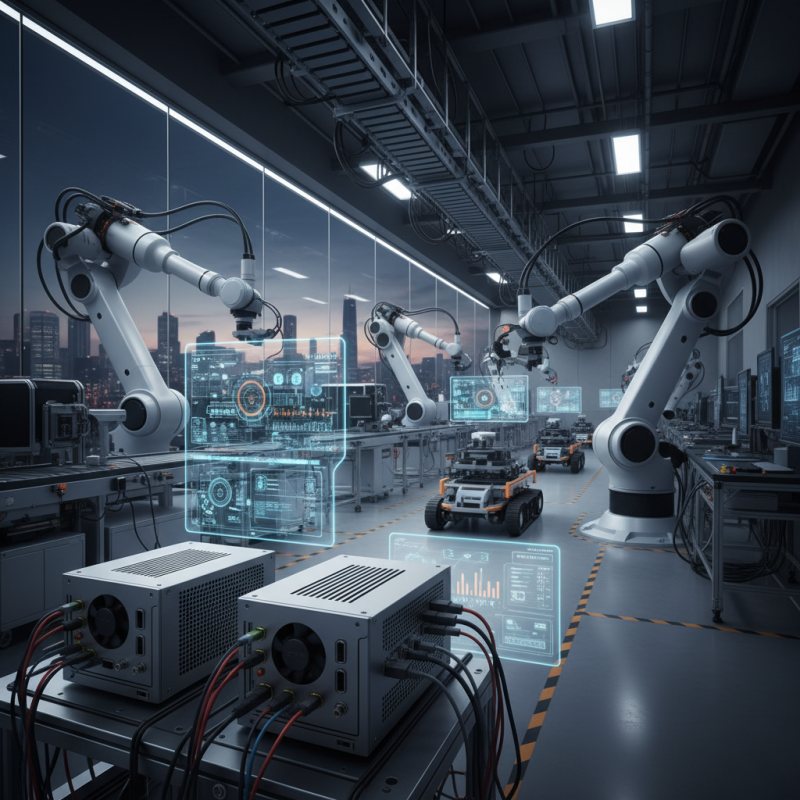
Industrial PCs (IPCs) are crucial in modern automation systems. They serve as the backbone for data processing and control. According to a recent market report, the global IPC market is projected to grow by 5.4% annually over the next five years. This indicates an increasing reliance on IPCs for effective system integration.
Integration of IPCs with automation technologies is essential. IPCs can handle complex tasks such as real-time data analysis and device communication. However, challenges exist. Issues like system compatibility and data security often arise. Companies must ensure that their IPCs meet industry standards. Ignoring regulations can lead to serious vulnerabilities.
Tip: Invest in training for staff on IPC operation. This will enhance overall system performance and reduce errors.
Automation systems can include various components. This diversity can complicate integration efforts. A cohesive strategy is key. Regular assessments of IPC performance help identify areas for improvement. It's also vital to stay informed of technological advancements.
Tip: Regularly update software and firmware. This can prevent old vulnerabilities from being exploited.
Collaboration between IPC manufacturers and automation specialists can streamline integration. Knowledge sharing fosters innovation. Gaining industry insights is beneficial. Engaging with experts can reduce trial-and-error phases.
: Industrial PCs are vital for data processing and control. They enable real-time data analysis and device communication.
The global IPC market is projected to grow by 5.4% annually over the next five years, indicating rising demand.
Compatibility issues and data security are common challenges. Up to 40% of integration projects fail due to mismatched technologies.
Investing in staff training on IPC operations will improve system performance and minimize errors significantly.
Industrial PCs can adapt easily to growing business needs, allowing upgrades without a complete system overhaul.
Industrial PCs can be vulnerable to cyber threats when connected to larger networks. Security measures must be prioritized.
Developing standardized communication protocols and fostering continuous learning among staff can streamline integration efforts.
Updating software and firmware helps prevent vulnerabilities from being exploited by potential threats.
Failing to provide proper training can hinder teams from fully utilizing integrated systems and their capabilities.
Being open to integrating new technologies as they emerge is essential for maintaining competitiveness in automation.
The article "Integrating Industrial PCs with Automation Systems Made Easy?" delves into the seamless integration of industrial PCs within automation environments. It begins by outlining the fundamental role of industrial PCs in modern automation systems, emphasizing their key components and how these elements can be effectively combined. The benefits of this integration are significant, including enhanced efficiency, improved data processing, and greater system flexibility.
However, challenges such as compatibility issues and the need for skilled personnel can arise during the integration process. The article provides strategies on how to integrate industrial PCs with automation systems successfully, focusing on overcoming these hurdles. Additionally, it explores future trends that will shape the landscape of industrial PC integration, ensuring that businesses are prepared for advancements in technology and automation practices.

 Fray Tech