How Can Smart Boards Enhance Classroom Interaction Effectively?

Time:2026-07-27 Author:Sienna
0%

Smart boards are revolutionizing the classroom experience by enhancing interaction. Recent research indicates that 80% of teachers believe technology boosts student engagement. This technology facilitates real-time feedback and collaborative learning, making lessons more dynamic.

How does a smart board improve classroom interaction? It provides tools that cater to various learning styles. Visual learners benefit from graphical displays. Kinesthetic learners enjoy hands-on activities through touch functionality. However, it’s essential to train teachers adequately. Without proper training, the potential of smart boards may not be fully realized.

Furthermore, while many students thrive on interactive technology, some may feel overwhelmed. Balancing traditional and modern methods is crucial. Reports show that over-reliance on smart boards can lead to distractions. It’s important to carefully integrate these tools for optimal effectiveness in enhancing classroom interaction.
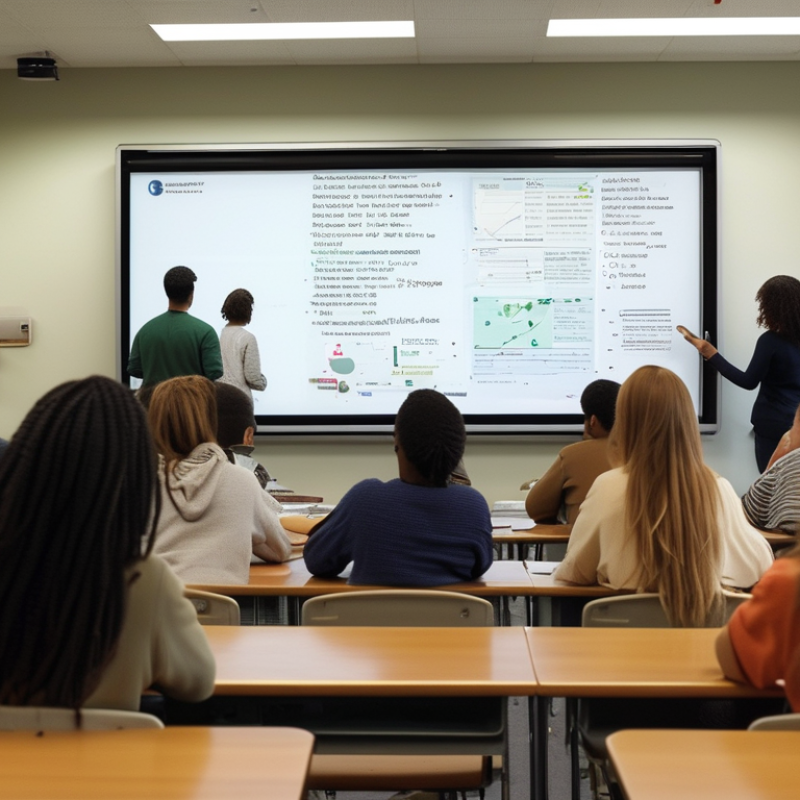
How Can Smart Boards Enhance Classroom Interaction Effectively?

Understanding Smart Boards: Definition and Features

Smart boards have transformed traditional classrooms into interactive learning environments. They serve as large digital screens connected to computers, offering various interactive features. Educators can display videos, presentations, and graphics with ease. The touch-sensitive surface allows students to engage directly with content by writing or drawing. This instant feedback creates a dynamic learning space.

Tips for effective use include encouraging student participation. Invite them to share ideas using the smart board. Another approach is to incorporate multimedia resources, which can capture attention more effectively than plain text. Regularly updating classroom content can also help keep lessons fresh.

While smart boards enhance interaction, they are not without challenges. Some may find the technology intimidating. Teachers must balance screen time with traditional methods. It's important to consider students’ diverse learning styles. Adapting lessons to include both tech and classic approaches can enrich the educational experience effectively.

How Can Smart Boards Enhance Classroom Interaction Effectively?

Feature Description Impact on Interaction
Touch Sensitivity Allows users to interact directly with the screen using fingers or styluses. Encourages active participation from students.
Interactive Software Includes educational tools for engaging lessons. Facilitates collaborative learning and discussions.
Multimedia Integration Supports video, audio, and animation content. Enhances engagement and keeps students interested.
Screen Sharing Allows students to share their screens in real-time. Promotes peer feedback and assessment.
Cloud Connectivity Enables saving and accessing files from the cloud. Fosters a collaborative environment for group projects.

The Role of Smart Boards in Facilitating Interactive Learning

Smart boards play a significant role in enhancing interactive learning within classrooms. These digital tools allow teachers to create a dynamic learning environment. Students can engage with the material directly, moving beyond passive observation. A recent report revealed that 78% of teachers found their students more engaged when using smart boards.

Interactive features enable real-time feedback. Students can participate in polls or quizzes effortlessly. This immediate interaction fosters a sense of community in the classroom. However, it is crucial to note that not all teachers are equally skilled in using these technologies. A study discovered that 30% of educators felt unprepared to integrate smart boards effectively into their lessons.

Some challenges arise when implementing smart boards. Technical difficulties can disrupt lessons and frustrate both teachers and students. Additionally, relying too heavily on technology may diminish traditional teaching methods. It is essential to find a balance between digital tools and conventional techniques. Schools need ongoing training for teachers to maximize the benefits of smart boards.

Engaging Students: Techniques and Strategies with Smart Boards

Smart boards are revolutionizing classroom interaction. These dynamic tools engage students actively. They allow for real-time feedback and collaboration. When teachers utilize smart boards effectively, they create an energetic learning environment. Students can touch, swipe, and manipulate content directly. This interactivity makes lessons come alive.

One innovative strategy is using interactive quizzes. Teachers can pose questions, and students can respond using the smart board. This method promotes participation. It gives immediate insights into student understanding. Visual aids, such as diagrams and videos, also boost engagement. They cater to different learning styles, making lessons accessible for all.

However, there are challenges. Not all teachers are trained to use these technologies well. Some may struggle with the interface, which can lead to frustration. Additionally, over-reliance on smart boards might diminish traditional teaching methods. Adjusting the balance is essential. Reflection on these aspects can improve classroom dynamics. By navigating these challenges, educators can maximize the benefits of smart boards.

Assessing the Impact of Smart Boards on Student Participation

Smart boards have become a valuable tool in modern classrooms. Research indicates that they can significantly boost student participation. According to a survey by the International Society for Technology in Education, 78% of teachers reported increased engagement when smart boards were utilized. This shift in interaction is critical for active learning.

Students can easily contribute ideas during discussions. The interactive features allow for real-time feedback. A recent study revealed that classrooms equipped with smart boards saw a 35% rise in collaborative activities. This encourages students to share thoughts and challenge ideas. However, not all students respond positively to these technologies. Some may feel overwhelmed or distracted by the digital interface.

Teachers must be aware of these disparities. Not all learning styles adapt well to smart boards. Finding a balance between traditional methods and technology is vital. Strategies like small group work can help engage all students. It's essential to regularly assess how these tools impact participation. Continuous reflection on their effectiveness can enhance teaching methods.

Overcoming Challenges in Implementing Smart Boards in Classrooms

Implementing smart boards in classrooms can be a double-edged sword. Many educators face challenges when adapting to this new technology. Training is often insufficient, leaving teachers unsure about effective usage. Frequent technical issues may disrupt lessons, causing frustration. There's also a learning curve for students. Some are quick to engage, while others may feel overwhelmed.

Infrastructure can present barriers as well. Not every classroom is equipped for smart boards, leading to inconsistent experiences. Budget constraints can limit access to technology updates. Additionally, the integration of smart boards into the curriculum requires careful planning. Teachers must rethink their lesson structures to fully utilize these tools.

Moreover, balancing traditional learning methods with technology can be complex. Some students thrive in hands-on environments, while others prefer interactive digital experiences. Finding common ground is essential. Teacher collaboration is key for overcoming these challenges. Sharing experiences and strategies can lead to a more effective integration of smart boards in classrooms.

FAQS

: What are smart boards used for in classrooms?

: Smart boards enhance interactive learning and create a dynamic classroom environment.

How do smart boards impact student engagement?

A survey showed that 78% of teachers observed increased engagement when using smart boards.

Are all teachers skilled at using smart boards?

No, about 30% of educators feel unprepared to integrate smart boards into their lessons.

What challenges can arise from using smart boards?

Technical difficulties can disrupt lessons, causing frustration among teachers and students.

Can reliance on smart boards hinder traditional teaching methods?

Yes, relying too much on technology may diminish conventional teaching techniques.

What strategies can enhance student engagement with smart boards?

Interactive quizzes and visual aids can boost participation and cater to diverse learning styles.

How do smart boards affect collaborative activities in classrooms?

Classrooms with smart boards experienced a 35% increase in collaborative activities.

Do all students respond positively to smart boards?

No, some students may feel overwhelmed or distracted by the digital features.

Why is ongoing teacher training important for using smart boards?

Training helps maximize the benefits and ensures effective integration into lessons.

How can teachers reflect on the effectiveness of smart boards?

Regular assessments of participation and engagement can improve teaching methods and classroom dynamics.

Conclusion

Smart boards have emerged as a transformative tool in educational settings, significantly enhancing classroom interaction. By offering a dynamic platform for displaying multimedia content and facilitating real-time collaboration, smart boards effectively engage students in the learning process. The features of these interactive boards, such as touch responsiveness and connectivity to various digital resources, support a more immersive learning environment. In exploring how does a smart board improve classroom interaction, we find that it encourages active participation and collaboration among students, which fosters deeper understanding and retention of the material.

Moreover, effective techniques and strategies, including interactive quizzes and group collaborations, further leverage smart boards to engage students. However, challenges such as technical issues and training requirements can impede their implementation. Addressing these barriers is essential to fully realize the potential of smart boards in increasing student participation and promoting interactive learning. Overall, when integrated thoughtfully into instructional practices, smart boards can significantly enhance the quality of interaction in the classroom.

Sienna

Sienna

Sienna is a skilled marketing professional with a deep expertise in our company’s core products and services. With a passion for innovation and detail, she plays a pivotal role in crafting insightful blog posts that not only highlight the unique features of our offerings but also provide valuable......