Top 10 Differences Between Industrial and Commercial Computers?

Time:2026-05-01 Author:Aria
0%

In today's tech-driven world, understanding what is the difference between industrial and commercial computers is crucial for businesses and organizations. Industrial computers are designed for rugged environments. They can withstand extreme temperatures, vibrations, and dust. This makes them ideal for manufacturing and other challenging settings. Commercial computers, on the other hand, prioritize versatility and usability in everyday business tasks. They are typically more user-friendly and suited for office environments.

Many may overlook the significance of these differences. It is essential to recognize that industrial systems often feature specialized components. These components enhance their performance in critical operations. Commercial systems may lack such durability and customization. However, they excel in providing user support and software compatibility. In some cases, the choice may not be clear-cut. Companies may find themselves questioning which option best meets their needs.

As technology evolves, the line between these two categories can blur. New innovations may lead to hybrid solutions that combine strengths. Yet, understanding the core differences remains vital. This understanding allows for informed decisions when choosing computing systems for specific applications. Exploring these distinctions can lead to better business outcomes and efficiency.
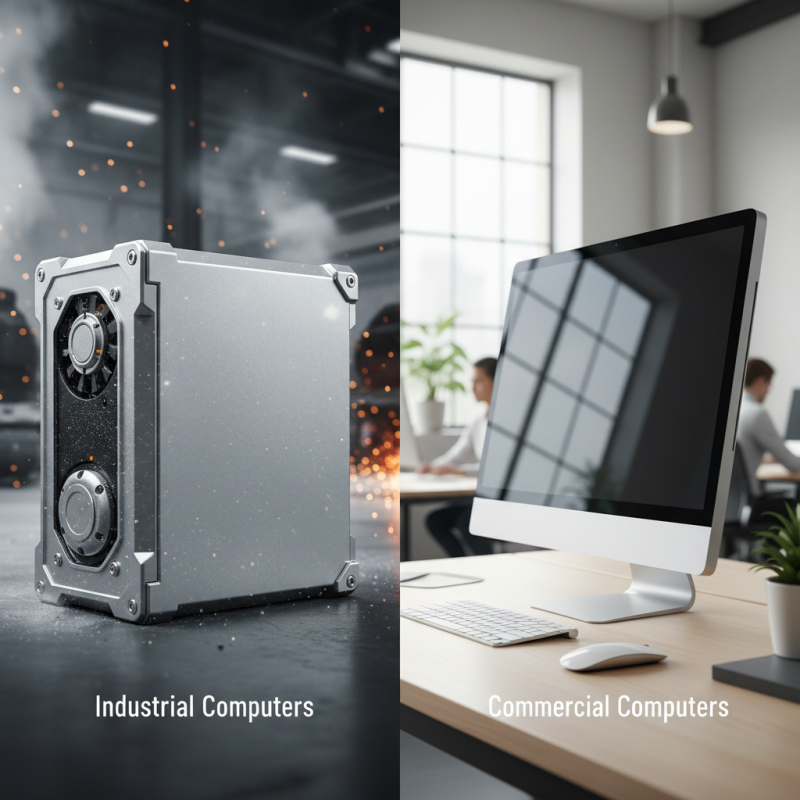
Top 10 Differences Between Industrial and Commercial Computers?

Differences in Purpose: Industrial vs. Commercial Computers

When examining the differences in purpose between industrial and commercial computers, it's essential to highlight their unique environments. Industrial computers are designed for rugged settings. They often operate in extreme temperatures and harsh conditions. These devices need to withstand vibrations and dust. Their durability is a primary concern, as downtime can be costly.

In contrast, commercial computers prioritize user experience. Designed for office environments, they focus on efficiency and aesthetics. These computers cater to tasks like word processing and data management. While they can handle everyday office applications, they may falter in demanding conditions. Users need to assess their specific needs before making a decision.

Tips: Consider the environment where the computer will be used. Industrial systems require robustness, while commercial ones focus on comfort and usability. Regularly check for software updates to maintain performance. Always weigh the importance of durability versus features in your choice. This reflection can enhance your decision-making process.

Top 10 Differences Between Industrial and Commercial Computers

Difference Industrial Computers Commercial Computers
Primary Purpose Automation and control in harsh environments General business operations and applications
Durability Designed to withstand extreme temperatures, dust, and moisture More sensitive components, not built for harsh conditions
Operating System Often uses specialized or real-time operating systems Typically runs mainstream operating systems
Customization Highly customizable for specific industrial tasks Limited customization options
Power Supply Designed for continuous operation in varied power conditions Standard power supplies; may not handle outages well
Longevity Built for long-term usage with maintenance support Shorter lifecycle; frequent upgrades may be necessary
Cost Higher initial investment due to specialized components Generally lower cost and readily available
Connectivity Includes ruggedized communication options for networking Standard connectivity options for office use
User Interface Designed for machine operators with specialized inputs Standard GUI suited for general consumers
Regulatory Compliance Must comply with strict industry standards Follows general compliance for consumer electronics

Hardware Specifications: Comparing Industrial and Commercial Designs

When comparing industrial and commercial computers, hardware specifications reveal significant differences. Industrial computers often prioritize durability and reliability. They withstand harsh environments with temperatures ranging from -40°C to 85°C. This robustness is critical for industries like manufacturing and mining.

In contrast, commercial computers are designed for office settings with milder conditions. They typically operate within standard temperatures, reflecting their less demanding use cases.

Power supply requirements also differ. Industrial systems often use wide input voltage ranges, such as 12-48V. This flexibility is essential for applications like robotics and process control. On the other hand, commercial computers generally rely on standard AC power sources, limiting their application in rigorous environments. Additionally, industrial computers frequently incorporate features like fanless designs for silent operation. This design helps reduce maintenance needs and prolongs lifespan, as reported in the latest industry studies.

Portability is another area where the two types diverge. Many industrial computers are compact and often mounted on machinery. They prioritize functionality over sleek designs. Meanwhile, commercial models focus more on aesthetics, appealing to business environments. They might not offer the same level of performance or longevity but excel in user-friendliness. As the industry evolves, understanding these differences becomes crucial for selecting the right technology for specific needs.

Operating Environments: Ruggedness and Adaptability in Different Settings

Operating environments for industrial and commercial computers differ significantly. Industrial computers are designed for harsh settings. They often endure extreme temperatures, humidity, and vibrations. A study indicated that nearly 70% of industrial computers operate in environments with demanding conditions. These devices utilize robust materials and advanced sealing techniques to ensure longevity and reliability.

On the other hand, commercial computers are typically used in controlled environments, such as offices or retail spaces. They focus on user comfort and performance rather than ruggedness. For instance, reports show that about 80% of commercial computers face less than 10% of the stress that industrial models do. This difference in usage often leads to a higher failure rate in commercial models when exposed to industrial conditions.

Adaptability is another key factor. Industrial computers often support various protocols and interface options. This makes them versatile for diverse applications. In contrast, commercial systems tend to prioritize streamlined functionality for specific tasks. As businesses evolve, the gap between these two categories becomes clearer. Organizations need to evaluate the importance of durability versus performance in their environments. This decision can impact long-term operational efficiency and costs.

Top 10 Differences Between Industrial and Commercial Computers

Performance Metrics: Speed, Efficiency, and Reliability Comparisons

Industrial and commercial computers vary significantly in performance metrics such as speed, efficiency, and reliability. In a factory setting, industrial computers endure harsh conditions and require robust performance. They excel in tasks that demand continuous operation and quick processing. Reliability is crucial, as failures can lead to production downtime.

In contrast, commercial computers focus on versatility and user-friendliness. They are optimized for numerous applications, like office software and data management. Their speed may be impressive, but they often lack the durability needed for extreme environments. This is where their design limits performance in more demanding scenarios.

Tips for selecting the right system: Consider the specific environment where the computer will be used. Assess how critical uptime is for your operation. Make sure to evaluate repair and maintenance options as well. Remember, the initial cost isn't everything. Long-term savings and efficiency should be prioritized.

Cost Factors: Budgeting for Industrial vs. Commercial Computers

When budgeting for industrial vs. commercial computers, several cost factors come into play. Industrial computers often carry a higher upfront cost. They are designed for harsh environments. This durability means more robust materials and advanced components. These systems are built to last, even in demanding conditions.


On the other hand, commercial computers usually have lower initial costs. They are suitable for less extreme settings. However, when considering long-term use, the lower price may not tell the full story. Maintenance and replacement costs can add up. Industrial systems may need fewer repairs over time, potentially offsetting the initial expense.


It’s essential to reflect on the overall value. While industrial computers may cost more initially, their longevity can result in savings. Commercial systems, while cheaper, might face more frequent upgrades. This can lead to higher overall costs. Each choice has its merits and challenges. Understanding these differences is crucial for effective budgeting.

FAQS

: What are the main differences in durability between industrial and commercial computers?

: Industrial computers are built to withstand harsh environments. They can operate in temperatures from -40°C to 85°C. Commercial computers are designed for milder office conditions.

How do power supply requirements differ between the two types of computers?

Industrial systems require a wide input voltage range, like 12-48V. This suits demanding applications. Commercial computers usually depend on standard AC power sources.

What factors influence the cost difference between industrial and commercial computers?

Industrial computers have higher upfront costs due to robust materials and components. They are designed for long-term durability. Commercial computers are cheaper initially but may incur higher maintenance costs.

Why is reliability important for industrial computers?

Reliability is crucial because failures can lead to significant production downtime. Industrial computers are built for continuous operation in demanding settings.

How does design impact the portability of industrial versus commercial computers?

Industrial computers are often compact and mounted on machinery. They focus on functionality. Commercial models emphasize aesthetics, which may limit performance in tough environments.

What should businesses consider when selecting a computer type?

Evaluate the specific environment and uptime importance. Consider repair options as well as long-term savings, not just initial costs.

Conclusion

The article "Top 10 Differences Between Industrial and Commercial Computers" delves into the key distinctions between these two types of computing systems. One major focus is on their differing purposes; industrial computers are designed for rugged environments and demanding tasks, while commercial computers cater to general business applications. Additionally, the hardware specifications highlight that industrial computers typically possess enhanced durability, focusing on performance in challenging conditions, as opposed to the more standard designs of commercial computers.

Furthermore, the article discusses the operating environments necessary for both types, emphasizing industrial computers' ability to withstand extreme conditions and adaptability to various settings. Performance metrics such as speed, efficiency, and reliability are compared, showcasing how industrial systems often outperform commercial ones in specialized tasks. Lastly, cost factors are examined, with a careful consideration for budgeting differences associated with the unique requirements of industrial versus commercial computers. Overall, this comprehensive analysis clearly answers the question: what is the difference between industrial and commercial computers?

Aria

Aria

Aria is a dedicated marketing professional with a deep passion for innovative strategies and a keen understanding of our company's product offerings. With a wealth of experience in the industry, Aria excels at crafting engaging content that highlights the unique features and benefits of our......