Industrial computers play a crucial role in various sectors, from manufacturing to process control. One striking feature is their fanless design. This leads to a pressing question: why are industrial computers fanless? The absence of fans in these devices enhances reliability and performance. Without moving parts, the risk of mechanical failure decreases significantly. This means a longer lifespan and lower maintenance costs.
Moreover, fanless systems operate silently, which is essential in noise-sensitive environments. They also reduce dust accumulation inside the computer, further protecting sensitive components. Many assume that fanless systems might compromise on cooling. However, innovative thermal management techniques allow these devices to dissipate heat efficiently.
Understanding why are industrial computers fanless can reveal a deeper insight into their advantages. While some may argue that this design limits performance in extreme conditions, advancements in technology continually enhance their capabilities. These systems underscore the trend towards durability and efficiency in industrial computing. Embracing fanless technology can truly revolutionize how industries operate.
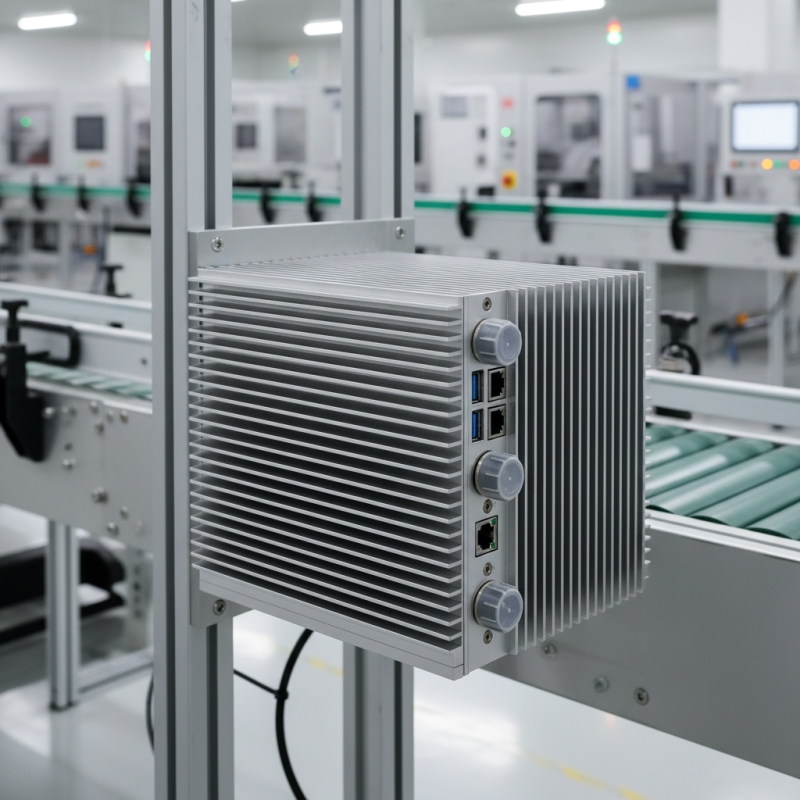
Benefits of Fanless Design in Industrial Computers
Fanless industrial computers offer several advantages that enhance their performance. One major benefit is their ability to operate in harsh environments. Without fans, these devices reduce the risk of dust and debris accumulation. This leads to longer operational lifespans. Less maintenance is needed, which can cut down on costs.
Another important aspect is thermal management. Fanless designs use heat dissipation techniques, such as heat sinks and thermal conductive materials. These components allow for efficient cooling without mechanical parts. This results in quieter operation, a crucial factor in settings where noise reduction is vital.
Moreover, fanless designs often provide improved energy efficiency. With no fans drawing extra power, these systems can consume less energy. This eco-friendly approach resonates with industries aiming for sustainability. However, some users feel the need for reassurance about heat management. It's vital to consider application-specific requirements carefully. Balancing cooling needs against a fanless design's benefits can be tricky, leading to important reflections on operational context.
Thermal Management Strategies for Fanless Industrial Systems
In industrial settings, fanless computers are gaining popularity due to their effective thermal management strategies. Without fans, these systems rely on passive cooling. This reduces moving parts, enhances reliability, and minimizes maintenance needs. Heat is dissipated through the chassis, allowing for consistent performance in challenging environments.
Thermal management is critical. A well-designed enclosure can maximize surface area. Materials with high thermal conductivity are often used. They help to efficiently distribute heat. In addition, employing thermal conductive pads can enhance contact between components. This is often overlooked but can significantly impact performance.
Tips: Pay attention to orientation. Positioning equipment away from heat sources can improve cooling. Also, consider ambient temperatures. High temperatures may hinder performance, even in fanless systems. Maintain a clean environment to avoid dust accumulation. Dust can block vents, affecting heat dissipation. Regular maintenance checks can help identify issues early on.
Impact of Noise Reduction on Industrial Computing Environments
Fanless industrial computers are designed to operate silently. This feature significantly impacts the working environment. Noise reduction creates a more pleasant atmosphere. Workers focus better without the distraction of loud fans. Quiet environments enhance productivity. They allow for clearer communication too.
Operating in a noise-sensitive area requires careful consideration. A clean, fanless design means fewer moving parts. This reduces mechanical wear and increases reliability. Less noise also translates into less stress for employees. They feel more comfortable in their surroundings. It can boost morale and overall job satisfaction.
**Tip:** When selecting an industrial computer, look for fanless options to improve workplace acoustics. Smaller, enclosed spaces benefit greatly from silent operation. Monitoring environmental noise levels can guide equipment choices. Consider where and how the computers will be used. Noise reduction plays a critical role in performance and efficiency.
Impact of Noise Reduction on Industrial Computing Environments
Energy Efficiency and Reliability in Fanless Computing Solutions
Fanless industrial computers are gaining traction due to their energy efficiency and reliability. Without fans, these systems eliminate a significant source of power consumption. This energy saving translates to lower operating costs. Moreover, fanless designs benefit from better thermal management. Heat sinks and thermal conductive materials dissipate heat effectively. This leads to longer component lifespans and reduced failure rates.
Reliability is critical in industrial environments. Fanless solutions avoid mechanical failures associated with traditional cooling systems. Dust and debris can also inhibit fan performance, leading to overheating. In settings like factories and outdoor installations, this is a substantial concern. The absence of moving parts means lower maintenance requirements. However, some may question how effective passive cooling really is for high-performance tasks. Testing in varied conditions shows promise, but further research could bolster confidence in fanless technology.
Moreover, fanless computers often come with a compact design. This allows for deployment in tighter spaces. They are adaptable to different mounting positions. However, adequate planning is necessary to ensure proper airflow and cooling. Ensuring optimal performance in diverse environments is crucial. While fanless technology offers several advantages, continuous improvement remains a priority. Addressing these challenges will enhance their application across industries.
Future Trends in Fanless Industrial Computer Technology
Fanless industrial computers are redefining performance standards. As industries demand higher reliability and lower maintenance costs, fanless designs emerge as a solution. According to recent market reports, the global fanless embedded computer market is projected to grow at a CAGR of 13% from 2023 to 2030. This trend is driven by the increasing need for compact and energy-efficient solutions in various sectors, including manufacturing and transportation.
One significant advantage of fanless technology is enhanced durability. Without moving parts, these systems can withstand harsher environments and reduce the risk of failure. This design often allows for extended product lifecycles, which can span over seven years compared to traditional systems. However, materials selection and thermal management need careful consideration. Not all fanless designs meet performance expectations in specific applications.
Tips: Always evaluate your operational environment when considering a fanless solution. Assess the thermal performance requirements to ensure reliability. Additionally, the importance of having adequate shielding for electromagnetic interference (EMI) should not be overlooked.
As energy efficiency becomes increasingly critical, fanless systems are pushing technological boundaries. Innovations in thermal conduction materials and passive cooling methods are paving the way for these systems to operate effectively even in demanding conditions. Striking a balance between compactness and performance remains a challenge. Continuous improvement in design and materials is essential for achieving the best outcomes.
Why Are Industrial Computers Fanless for Better Performance? - Future Trends in Fanless Industrial Computer Technology
| Features |
Benefits |
Applications |
Future Trends |
| No moving parts |
Increased reliability and longevity |
Manufacturing Automation |
More compact designs |
| Lower power consumption |
Cost efficiency in operation |
Logistics Monitoring |
Sustainable technology practices |
| Better thermal management |
Enhanced performance stability |
Process Control Systems |
Integration of AI and IoT |
| Compact form factor |
Space-saving installation options |
Remote Sensing |
Enhanced connectivity solutions |
Conclusion
The article "Why Are Industrial Computers Fanless for Better Performance?" explores the significant advantages of fanless designs in industrial computing. Fanless systems contribute to enhanced performance by promoting better thermal management, which is crucial in harsh industrial environments. The absence of fans not only minimizes mechanical failures but also ensures quieter operations, fostering a more conducive working atmosphere.
Furthermore, the article delves into energy efficiency, noting that fanless computing solutions are often more reliable due to fewer moving parts, which translates to lower maintenance costs and longer lifespans. Looking ahead, the article discusses emerging trends in fanless technology, highlighting ongoing innovations that promise to further improve the efficacy and sustainability of industrial computing. Ultimately, it answers the question of why are industrial computers fanless by emphasizing their operational benefits and adaptability to modern industrial needs.

 Fray Tech