Enterprise-grade edge-to-cloud interfaces engineered for complex deployments and extreme operational environment resilience
Modern industrial operations are witnessing an unprecedented convergence of operational technology (OT) and information technology (IT). As organizations migrate processing intelligence closer to physical assets, the role of Industrial Cloud Computing Suppliers transitions from basic component provisioners to strategic systems architects. The integration of high-performance cloud networks, edge AI algorithms, and ruggedized end-point displays forms the fundamental bedrock of smart logistics, automated telemetry, and heavy factory monitoring systems.
Hangzhou Fray Tech Co., Ltd. stands at the forefront of this digital transition as a professional manufacturer and comprehensive solutions provider. Specialized in industrial computing and intelligent displays, the enterprise addresses complex international workloads by provisioning components characterized by long lifecycles, rigorous thermal performance tolerances, and broad functional customizability. Through continuous research and development investment, Fray Tech equips international operators with the physical hardware and edge intelligence platforms required to implement scalable, reliable data virtualization infrastructures.

From fanless panel PCs utilizing advanced ARM and x86 silicon architectures (such as the Rockchip RK3588 series) to rugged tablets and interactive touch systems, Fray Tech establishes an operational standard optimized for challenging operating factors. This includes persistent dust, extreme ambient heat, heavy mechanical shock, and electromagnetic noise.
The trajectory of industrial cloud computing points definitively toward decentralized processing capability. Under the traditional paradigm, data captured by simple factory components was transmitted entirely to distant, centralized cloud databases. This topology introduces significant transmission latency, massive bandwidth costs, and severe exposure to packet loss. The contemporary alternative leverages Fog Computing and Edge AI to run real-time inference models at the machine level, reserving the cloud for macro-level training models and high-level business intelligence.
Integration of dedicated NPUs within industrial HMI terminals to perform localized machine-vision defect inspection and automated vibration anomaly diagnostics, avoiding cloud upload latency.
Transition from monolithic OS images to isolated Docker and Kubernetes environments running directly on Linux and Android gateways, facilitating seamless over-the-air (OTA) updates.
Combining long-range, low-power LoRa networks and low-latency 5G slices to interconnect remote sensory equipment with core edge computing databases over wide physical areas.
"According to industry-wide architectural benchmarks, offloading time-critical telemetry processing to localized Edge systems reduces network data transit volumes by up to 70%, concurrently dropping processing latency to sub-10ms intervals, crucial for safety and fast closed-loop control."
Fray Tech’s design philosophy aligns with this evolution. By optimizing systems around specialized high-performance chipsets, including the RK3588, Fray Tech’s hardware delivers heterogeneous processing options that handle simultaneous display output, sensor aggregation, and artificial intelligence task scheduling without incurring system bottlenecks.
Deploying hardware in modern industrial spaces requires a vertical-specific design approach. A single computer model cannot meet the disparate requirements of heavy smelting facilities, high-hygiene pharmaceutical cleanrooms, or rapid-transit distribution hubs.
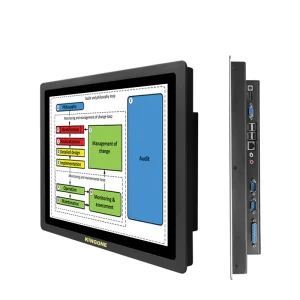
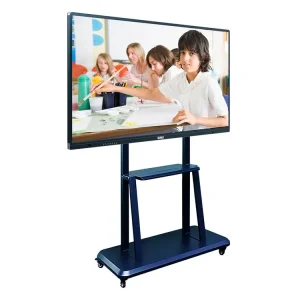
In manufacturing environments, visual displays must provide clean operator readouts while tolerating continuous vibrational strain, airborne oil contaminants, and electrical variations. Fray Tech's fanless Industrial Panel PCs are built with high-grade aluminum housings, capacitive multi-touch displays, and comprehensive I/O expansion configurations (RS232/485, CAN bus, Gigabit Ethernet, and GPIO). These specifications support integration with legacy Programmable Logic Controllers (PLCs) while providing real-time data translation to enterprise cloud platforms via OPC UA.
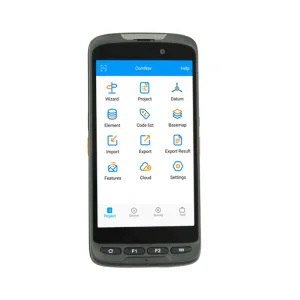
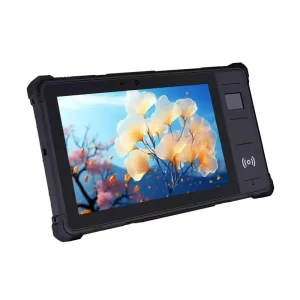
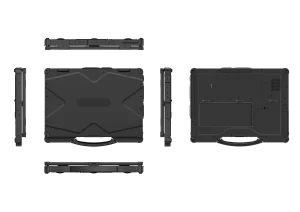
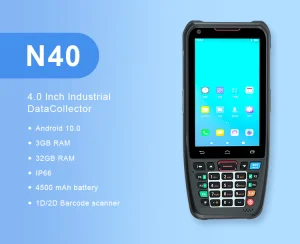
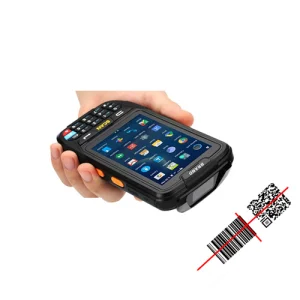
For warehouse operations, hardware mobility and outdoor visibility are critical. Handheld collector terminals and rugged tablets with integrated barcode scanners enable real-time inventory updates across distributed network systems. These devices require drop-resistant structural housings, IP-rated sealing, and high-performance wireless network support (dual-band Wi-Fi, 4G LTE, GPS). This ensures continuous asset visibility from field logistics through sorting and delivery phases.
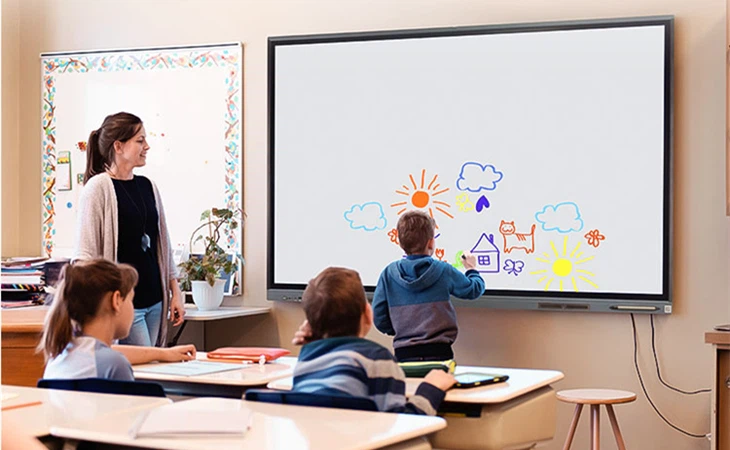
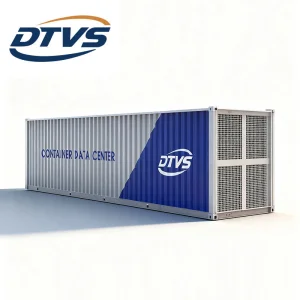
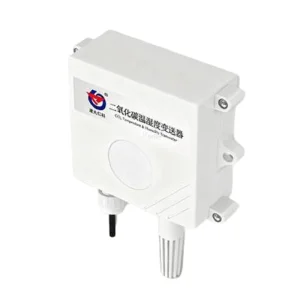
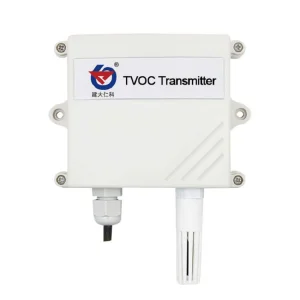
Modern utility nodes, high-density data spaces, and poultry housing installations rely on environmental telemetry to protect assets and ensure operational safety. Integrating sensors, including CO2 and TVOC monitors, with smart Linux-based gateways establishes an early warning framework. This data, when routed through containerized data modules, enables automated environmental controls, minimizing system downtime and preventing structural or product losses.
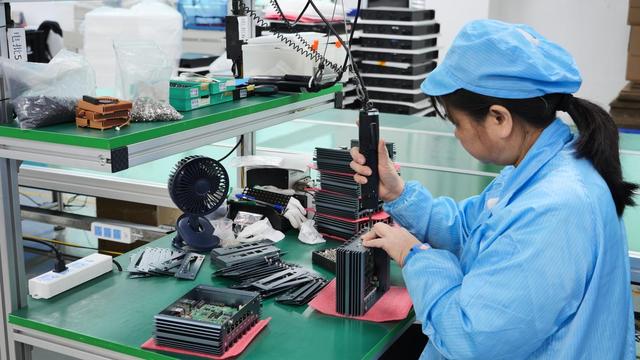
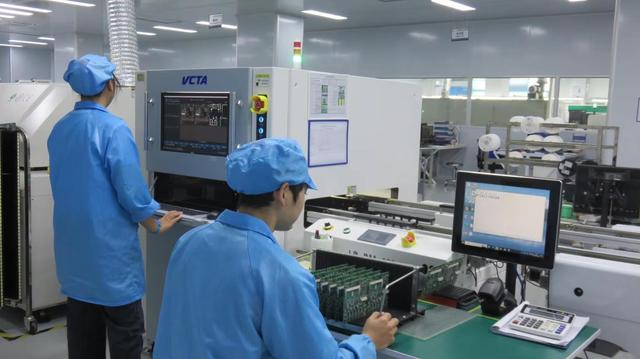
The centralization of electronic components manufacturing, rapid prototyping, and engineering support in China's industrial zones has created an efficient supply chain model. At Hangzhou Fray Tech, the integration of advanced production systems, automatic SMT (Surface Mount Technology) assembly lines, and temperature-controlled aging chambers ensures high product consistency and reliability.
For international buyers, this ecosystem provides three major strategic advantages:
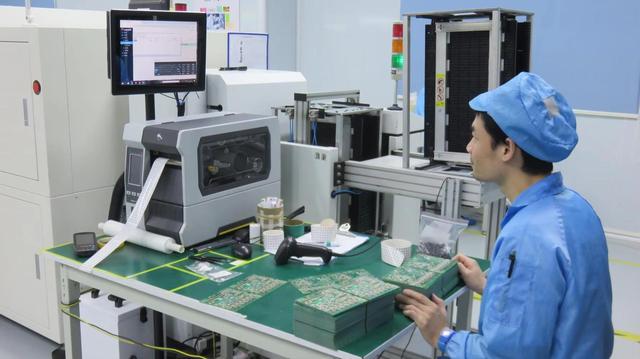
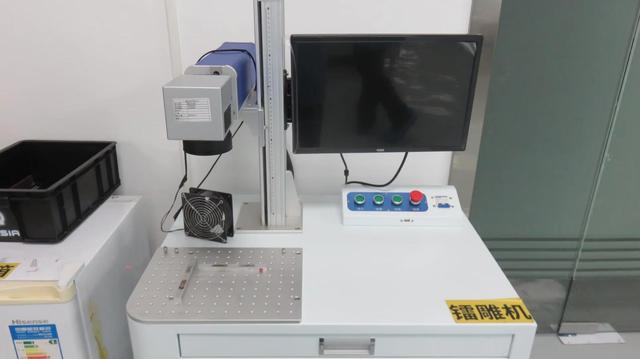
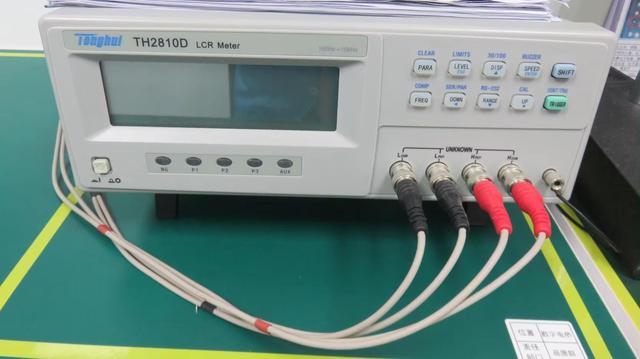
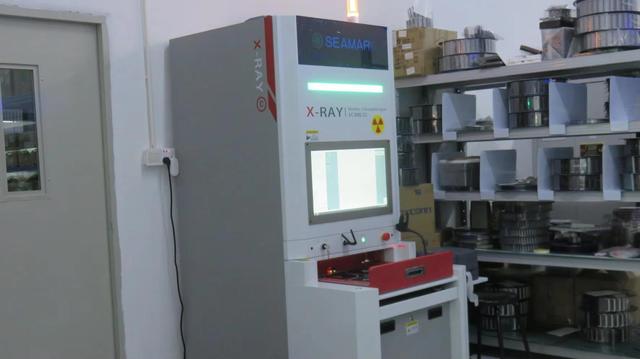
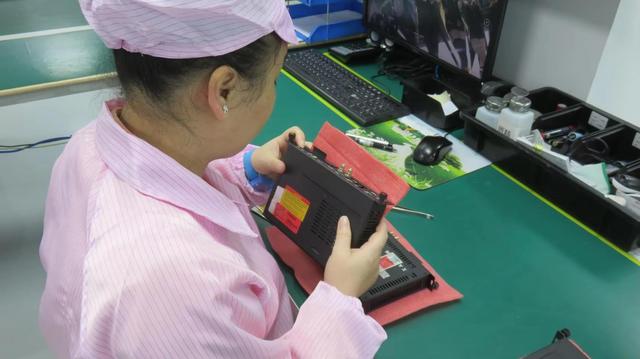
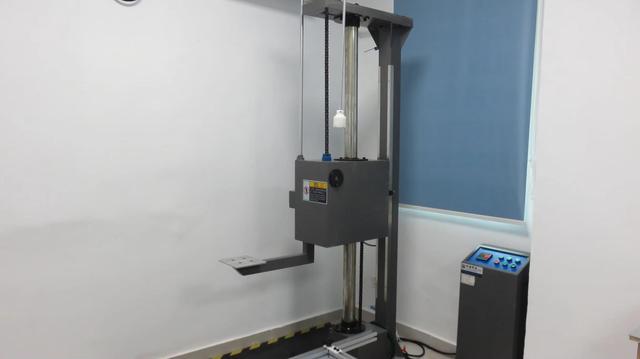
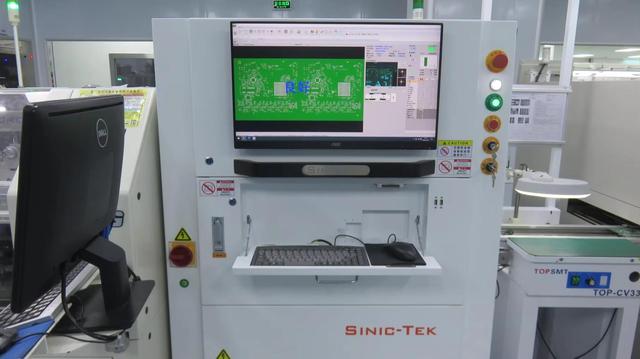
Purchasing agents and systems integrators face complex decisions when sourcing industrial hardware. Selecting products based solely on unit cost can lead to unexpected expenses in the field due to hardware failures or premature product obsolescence.
During the technical evaluation phase, key performance indicators (KPIs) include:
Operating in international markets requires strict compliance with regulatory standards. Industrial equipment must meet safety and environmental standards, such as CE, FCC, and RoHS, and comply with region-specific data security frameworks.
Fray Tech addresses these requirements by building compliance into our hardware and software architectures:
Common questions concerning hardware integration, operational lifecycles, and customization processes
High-integrity communication gateways, rugged accessories, and human-machine display panels

 Fray Tech