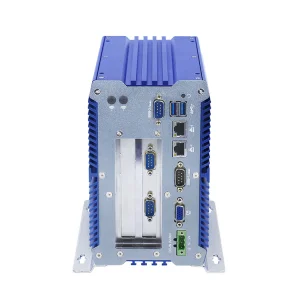
Direct manufacturer deployment options featuring optimized rugged handhelds, industrial flat panels, and medical-grade interactive architectures.
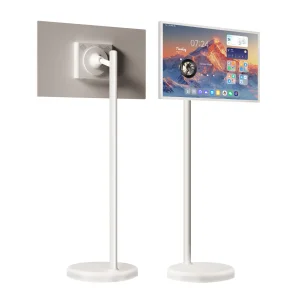
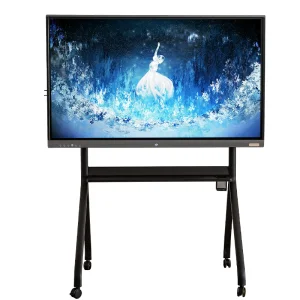
Analyzing key structural shifts in high-availability architecture, edge data synthesis, and global ruggedized supply chains.
The paradigm of industrial operations has fundamentally shifted from localized, static control rooms to distributed edge environments. Today, mobile computing devices represent the central neural nodes of logistics, oil and gas extraction, clinical healthcare, and high-velocity distribution terminals. Modern operational parameters demand hardware capable of processing dense multi-spectral data packages locally rather than relying exclusively on cloud architectures.
This edge optimization minimizes latency, bypassing bandwidth bottlenecks while ensuring absolute operational continuity in regions with spotty network coverage. Global shipment data reveals a surge in demand for specialized platforms—such as ATEX-compliant PCs, IP65-rated handhelds, and medical tablets. These devices must guarantee a Minimum Mean Time Between Failures (MTBF) exceeding 50,000 hours in demanding environments.
Sealed structural chassis preventing dust intrusion, jet-water ingress, and ignition hazards in petrochemical vapors or heavy grain milling locations.
Leveraging high-efficiency Intel Core and ARM SOC configurations engineered to maintain thermal balance without failure-prone mechanical cooling fans.
Dual-SIM 5G modules, Wi-Fi 6E channels, and high-accuracy GPS arrays for uninterrupted asset positioning and telemetry upload.
Hardware architecture is undergoing critical engineering changes. A primary development vector is the integration of dedicated Edge AI processing modules (NPUs) into industrial motherboards. Real-time vision-based sorting, OCR on multi-lingual chemical drum labeling, and vibration-anomaly tracking now happen directly on hand-carried devices, reducing dependency on slow, remote database processing.
Simultaneously, advancements in battery chemistry, particularly within systems requiring high capacity like the 8000mAh interactive panels, employ smart internal battery management systems (BMS) with thermal protection circuits. This ensures that field terminals run cold, resist micro-shorts, and withstand high-frequency vibration during mobile operations.
Industrial field computers operate in diverse real-world conditions. In cold-chain logistics, terminal screens must resist fogging, and capacitive touch sensors must recognize commands from operators wearing thick insulation gloves. Medical environments, conversely, demand flat, fanless housings that prevent airborne pathogen circulation and endure harsh sanitizing washes.
Automotive and logistics vehicles require robust power decoupling. Computers mounted in truck dashboards or material handling forklifts must handle wide voltage swings (from 9V to 36V DC) and dynamic engine-crank spikes. Under daylight conditions, screens require high-brightness panels with at least 1,000 nits and polarization filters to remain readable under direct glare.
Leading Industrial Computing & Display Integration Partner
Hangzhou Fray Tech Co., Ltd. is a dedicated manufacturer and solution architect in industrial computing and smart display technologies. Focusing on reliable performance in harsh environments, Fray Tech manufactures rugged industrial PCs, fanless controllers, HMI interfaces, and custom visual display systems.
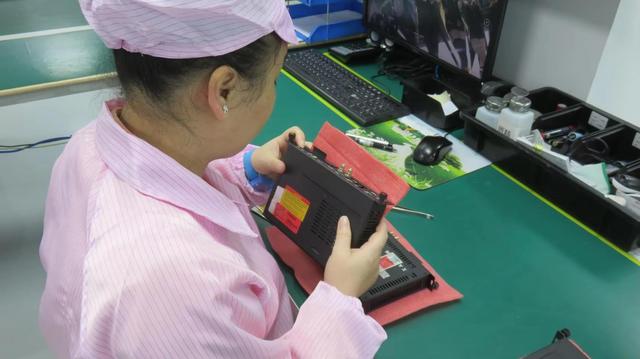
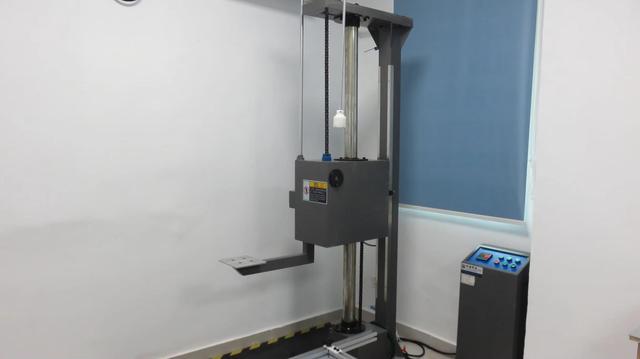
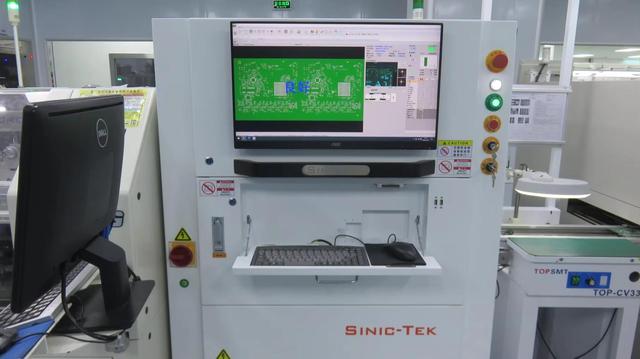
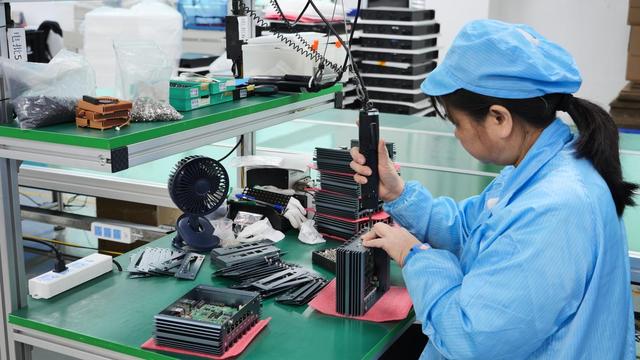
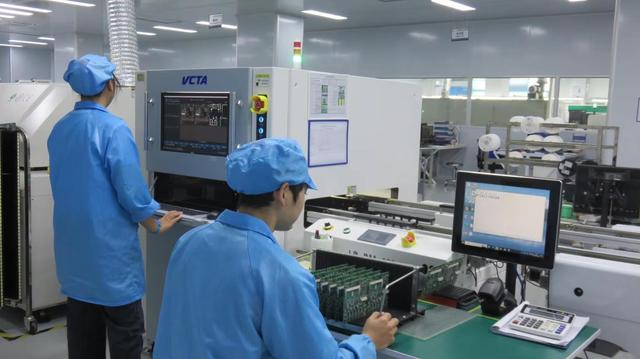
With advanced testing facilities and experienced engineering teams, the company builds systems that withstand heavy shock, vibration, moisture, and dust exposure. Designed for factory automation, intelligent transportation, and clean-room environments, Fray Tech products ensure long product lifecycles and component availability.
The company supports complete OEM/ODM development paths, tailoring housing dimensions, port configurations, and BIOS firmware to exact client requirements. Fray Tech solutions streamline digital transformations in smart factories and remote logistics hubs around the world.


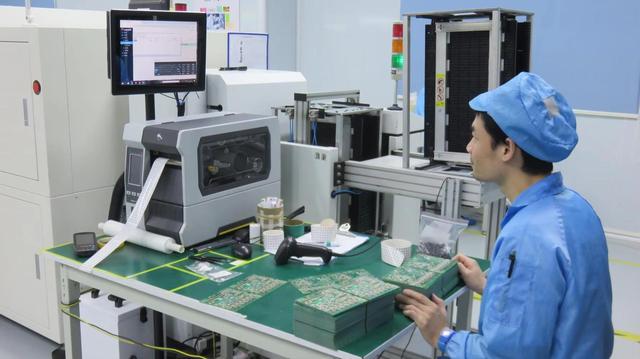
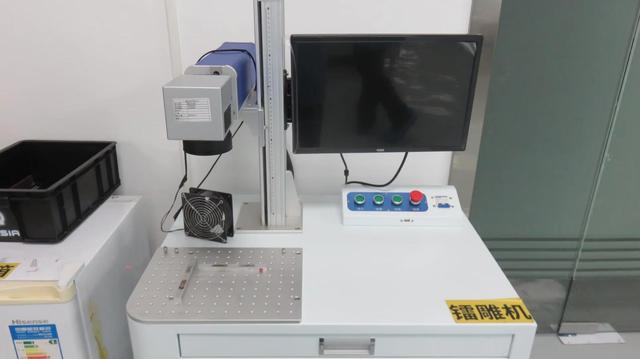
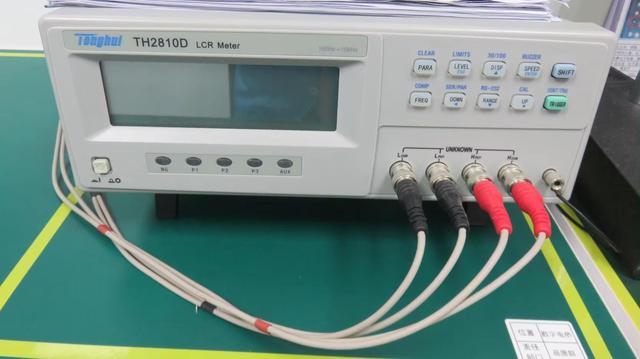
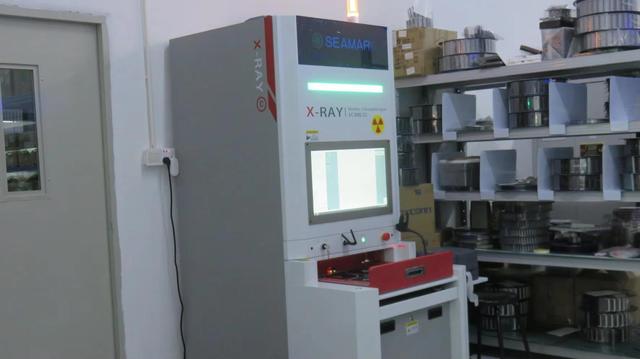
Integrated hardware and engineering approaches tailored to the strict operational standards of heavy industry.
Direct technical answers addressing integration, certifications, and hardware maintenance in industrial environments.
An IP65 rating signifies protection against low-pressure water jets from any angle, which is suitable for standard clean-down cycles. IP67 provides deeper protection, sealing the device against temporary immersion in water up to 1 meter for 30 minutes. For heavy food processing or outdoor equipment exposed to weather, IP67 or IP69K is recommended to resist water ingress.
Active cooling fans pull in surrounding air, along with airborne contaminants like dust, oil mist, and metallic filings. These particles build up on internal components, causing heat dissipation issues and eventual hardware failure. Fanless architectures use heat pipes and heavy aluminum finned enclosures to dissipate heat passively. This eliminates entry vents and mechanical points of failure, increasing long-term system reliability.
Yes. Android 12 provides backward compatibility for corporate software via API layers. For older systems, developers can use virtual environments or web-based HMI portals (like HTML5 and VNC clients) to connect mobile hardware to legacy terminal systems.
ATEX certifications verify that the panel PC operates safely in potentially explosive atmospheres. The system is built with low-voltage spark-free circuits, sealed electrical enclosures, and temperature limits. This ensures that even if flammable vapors or combustible dust are present in the plant, the computing hardware will not spark or generate enough heat to cause an explosion.
Fray Tech systems employ isolated port designs for COM, RJ45, and USB interfaces. Optical isolation prevents electrical surges and high electromagnetic interference (EMI) from high-voltage motors, welding machinery, and variable frequency drives (VFD) from disrupting data signals or damaging the motherboard.
The integrated Battery Management System (BMS) manages charge cycles, balances voltage across internal cells, and monitors temperature. If temperatures rise during high CPU usage or ambient heat, the BMS adjusts charging speed or limits performance to prevent thermal stress and preserve battery lifecycle.
Specialized vehicle computers, network cabling, HMI touch screens, and automation interfaces for complex machinery installations.


 Fray Tech